00 — About the project
Pilot with NHS & THCVs
Live Well
Small choices, big impact
Scroll to enter the story ↓
About the project
A preventative health service rooted in everyday care.
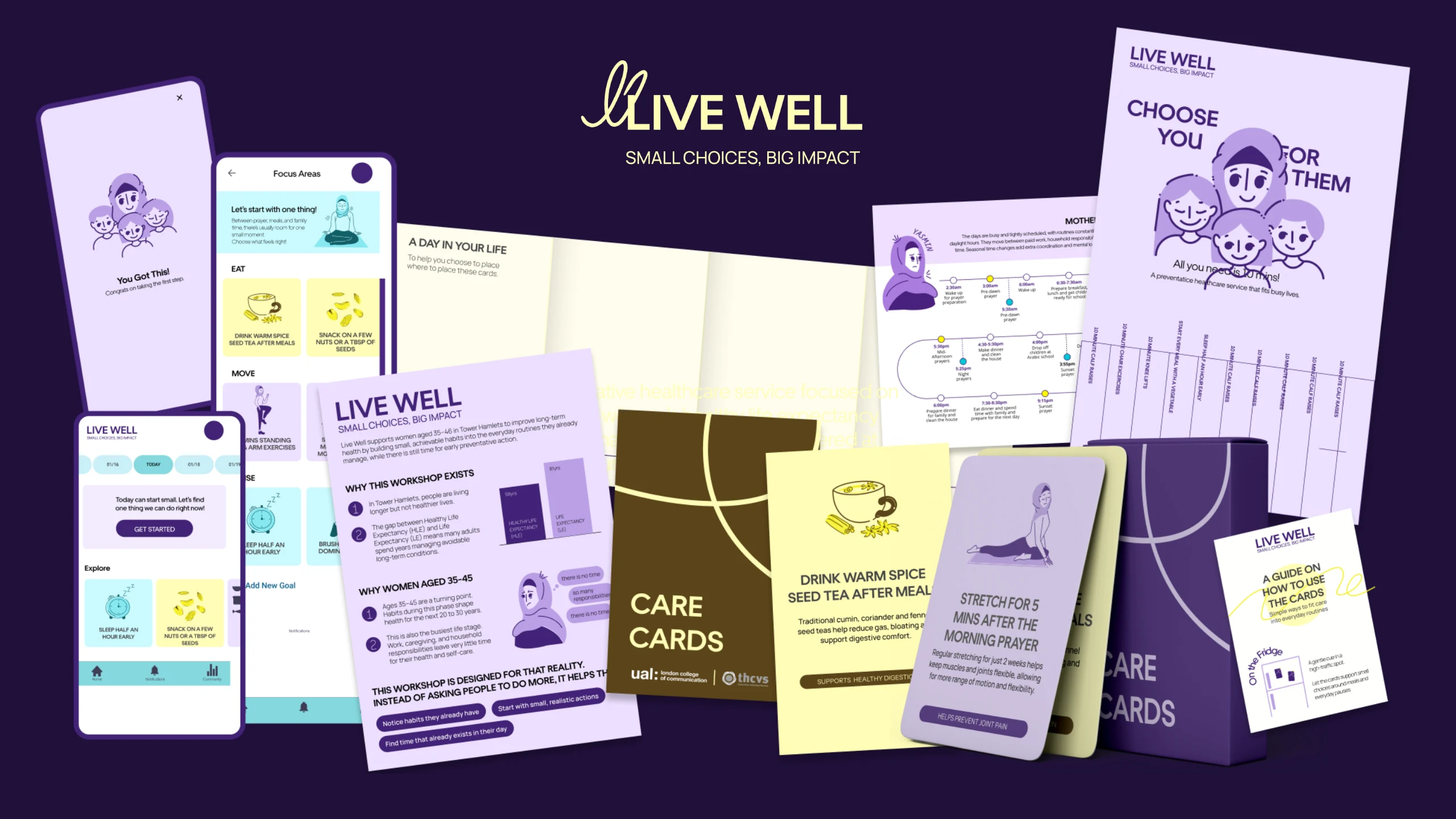
Live Well is a preventative women’s health service for women aged 35–46 in Tower Hamlets. It helps women build small, realistic, health-supporting habits into routines shaped by work, caregiving, family life, culture, and faith.
The service combines community workshops, a practical toolkit, and a light-touch digital platform. Developed as an MA Service Design pilot with THCVS and Tower Hamlets Recovery College, it is intended for delivery by councils, community organisations, and NHS partners.
- Role
- UX research, prototyping, and user testing
- Partners
- THCVS, UAL, and Tower Hamlets Recovery College
- Timeline
- September 2025 – February 2026
- Audience
- Women aged 35–46
Discover — 01
Context

Ethnically Diverse & Densely Populated
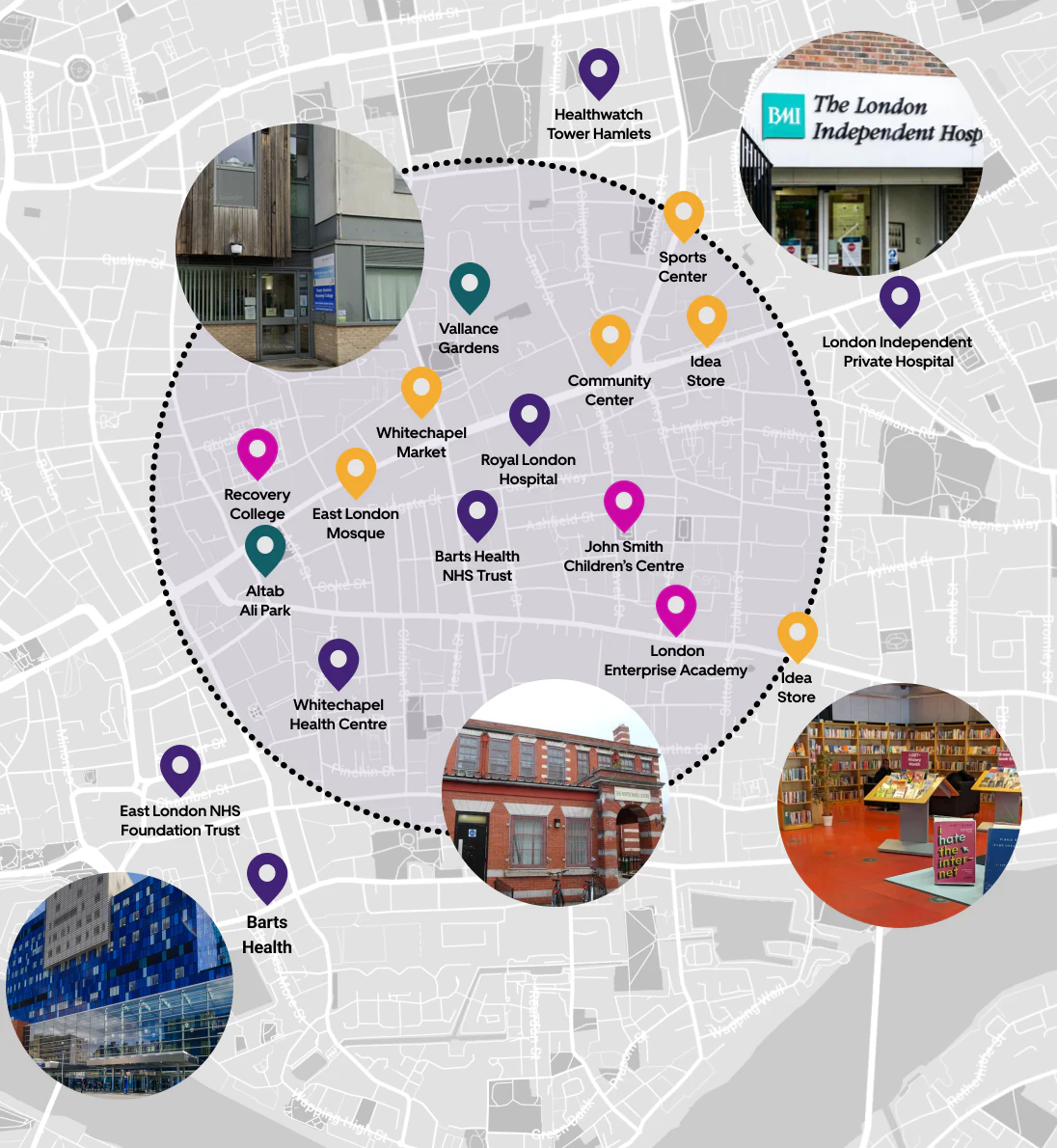
Tower Hamlets is a densely populated and ethnically diverse borough in East London, with Bangladeshi, Somali, and other migrant communities connected by strong social ties.
Ethnically Diverse & Densely Populated
Tower Hamlets is a densely populated and ethnically diverse borough in East London, with Bangladeshi, Somali, and other migrant communities connected by strong social ties.
Barriers to Accessing Wellbeing Support
Many residents face barriers to accessing wellbeing support. Preventable health issues can remain unaddressed until they become more serious or long-term.
The Healthy Life Expectancy Gap
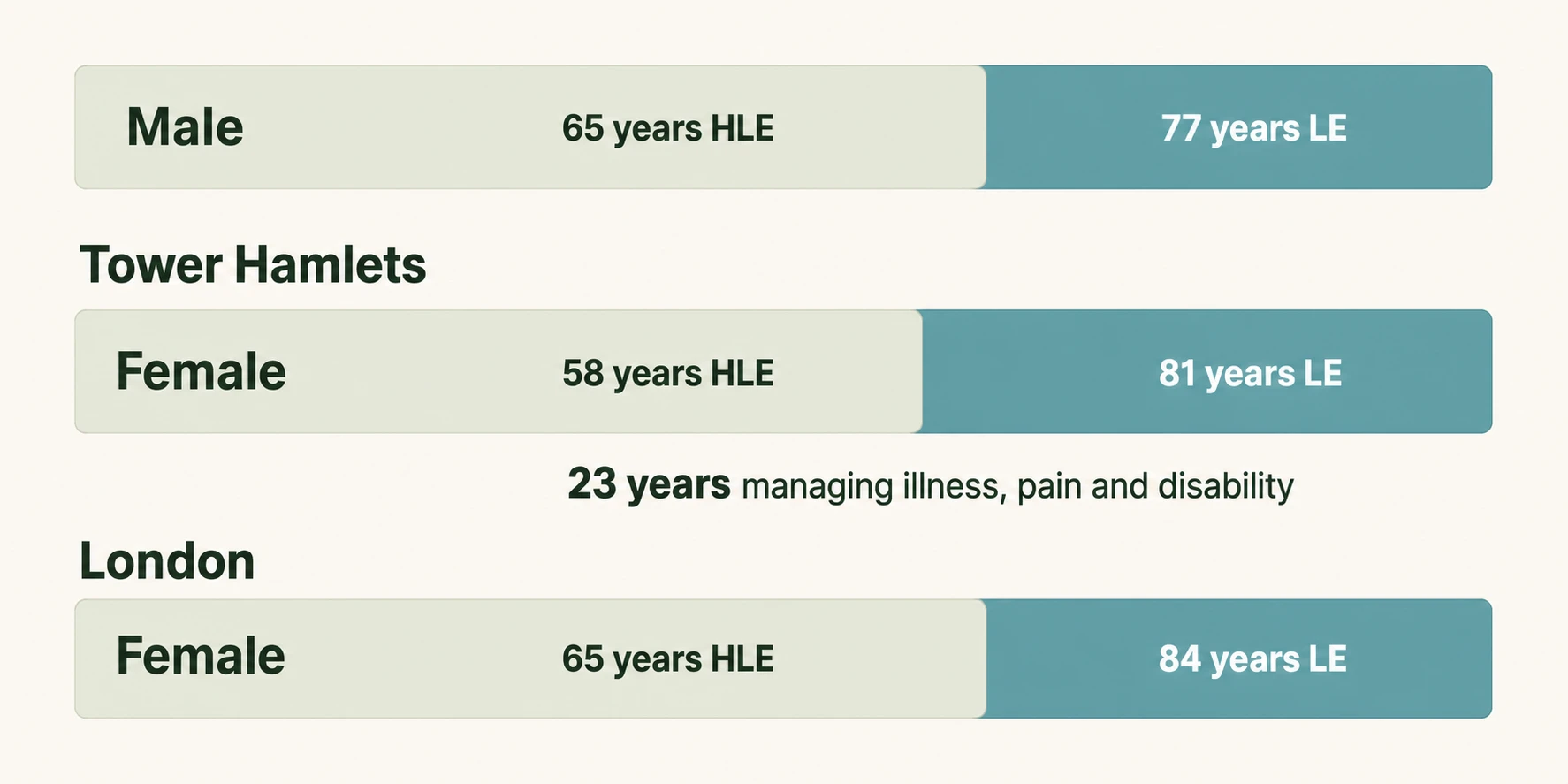
Women are disproportionately affected by the gap between life expectancy and healthy life expectancy while also carrying significant caregiving responsibilities at home and in their communities.
Discover — 02
Initial conversations
The research connected local health inequalities with women’s everyday routines, trusted relationships, and the practical barriers surrounding preventative care.
“My wife is usually the one who takes care of the GP appointments and regular check-ups for the family.”Man, 51, father of two
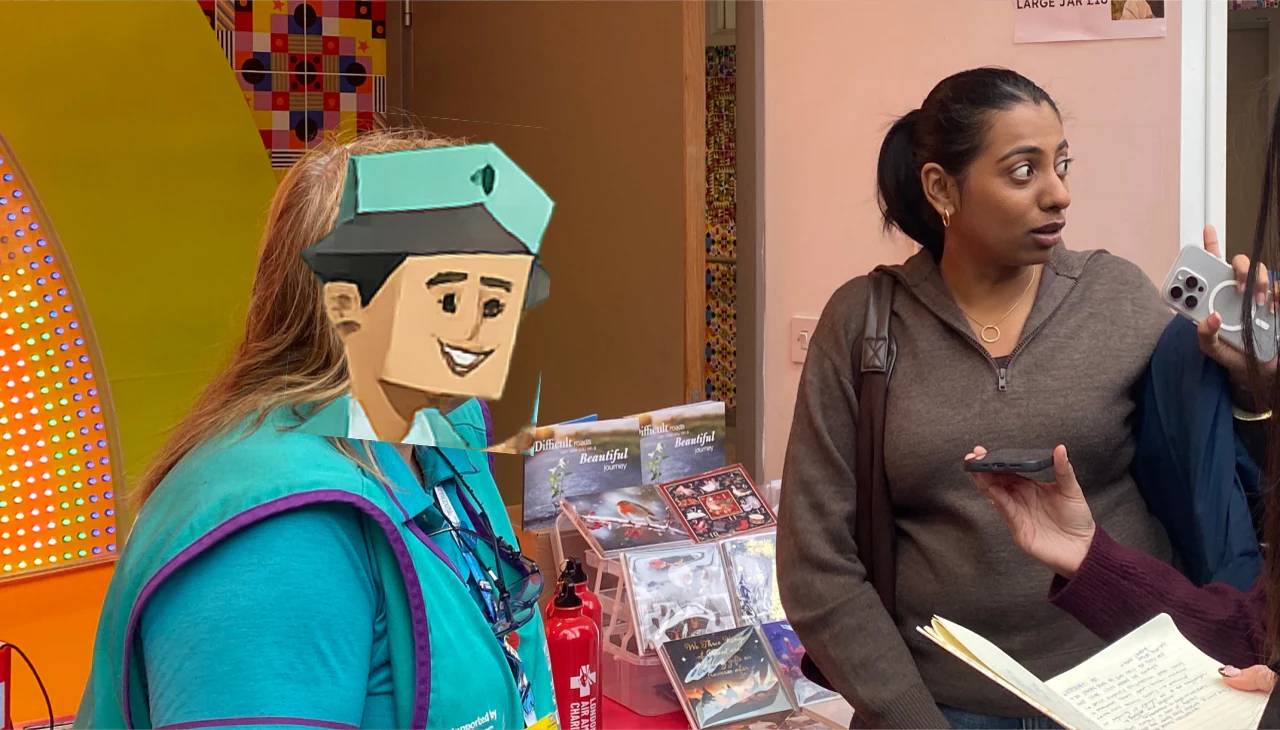
“I try to use my home remedies when anyone in the family is sick. If it doesn’t work, then we go to the GP.”Woman, 41, mother of two
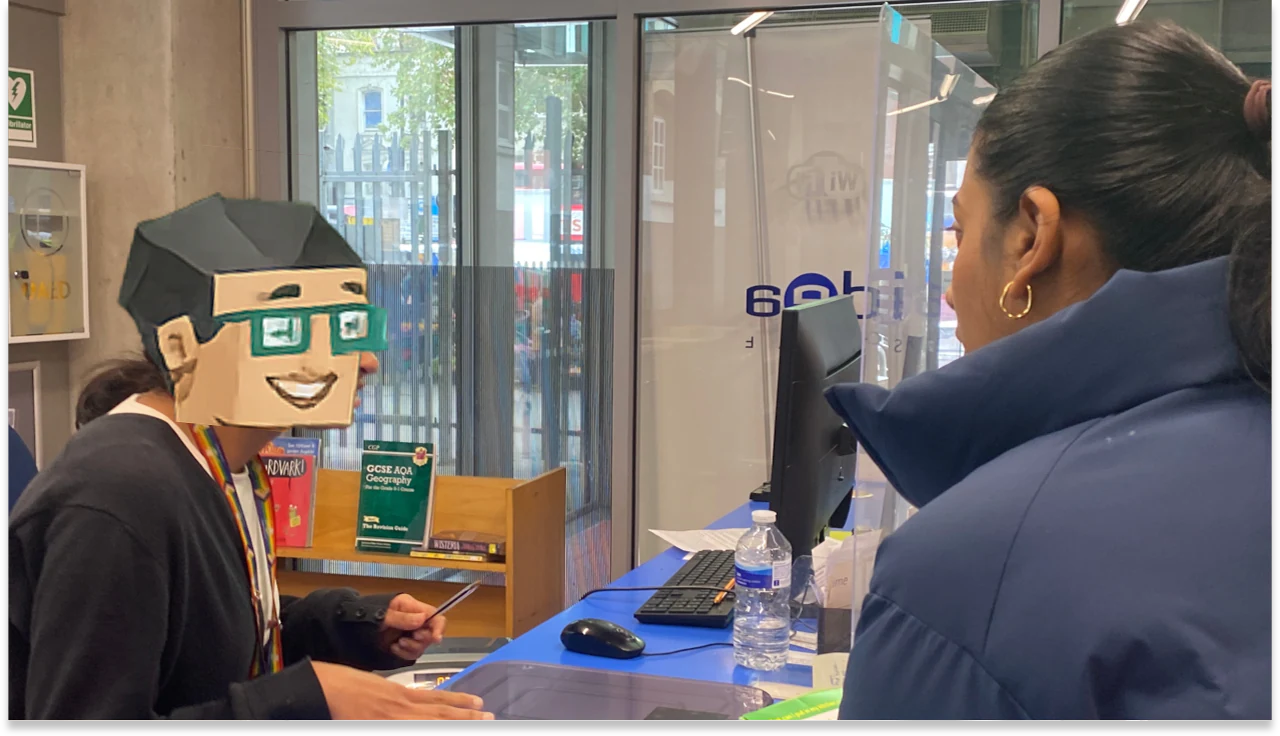
“We have a family medical history, and my husband and children have had their medicals and vaccinations. I don’t need it.”Woman, 41, mother of two
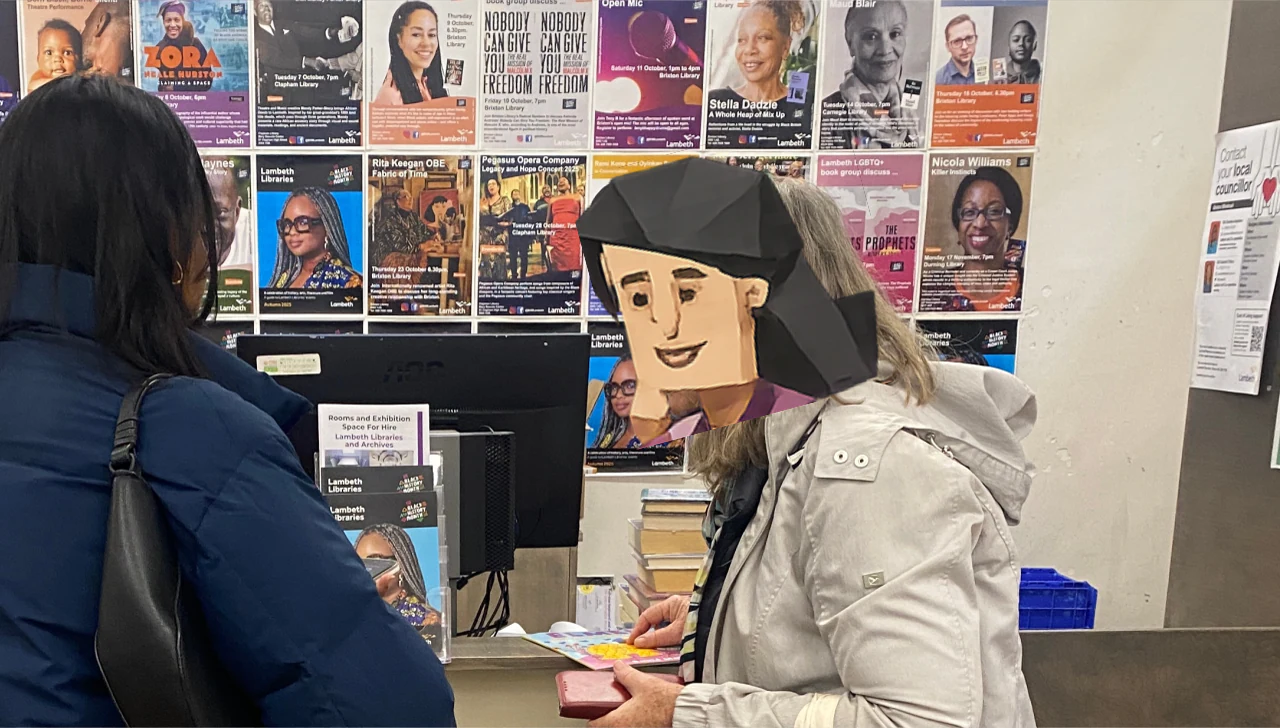
“When my children are happy and healthy, I also feel happy and healthy.”Woman, 36, mother of three
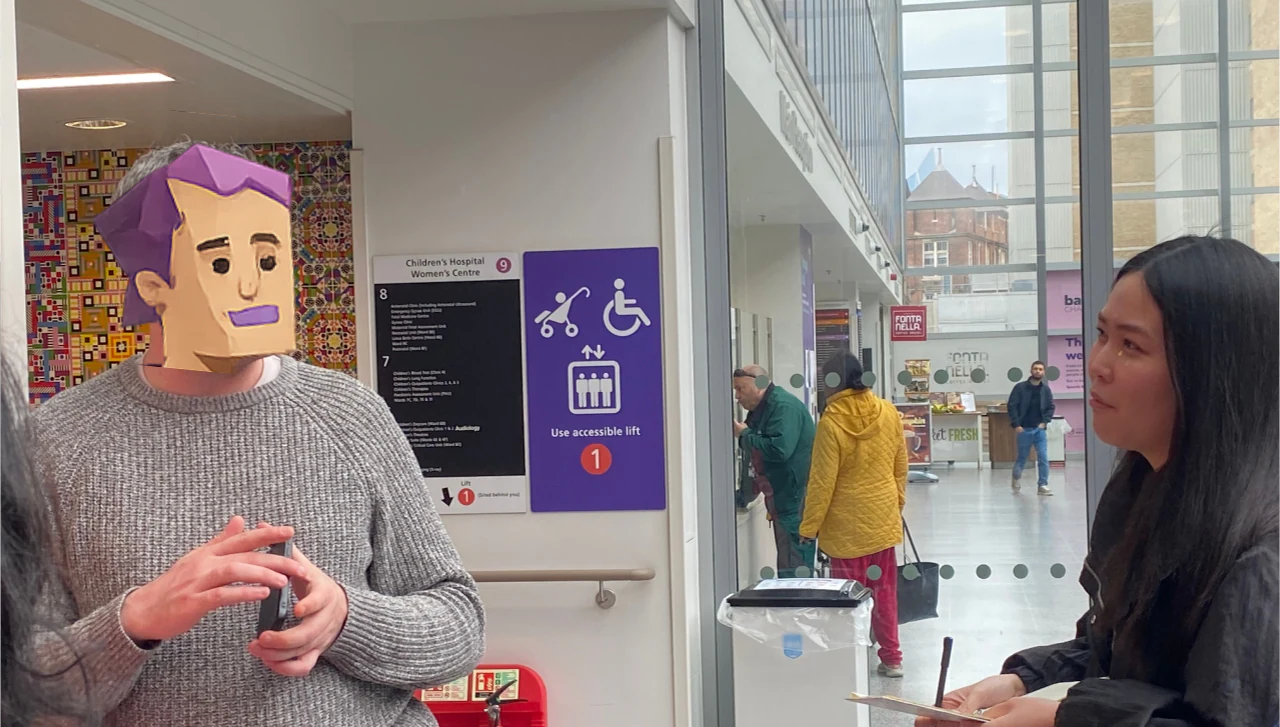
“Patients often seek help only when issues become serious.”Tower Hamlets general pharmacist
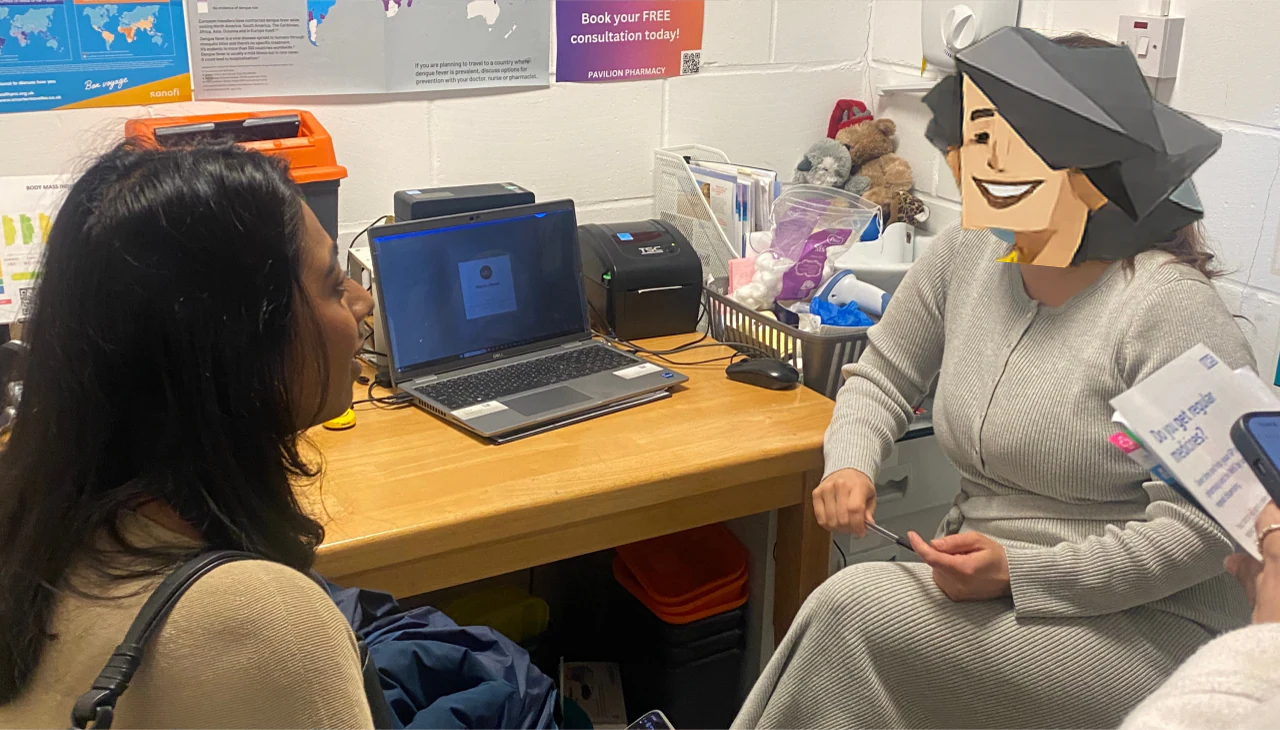
The quotes are for reference only and do not correspond to the images shown.
Discover — 03
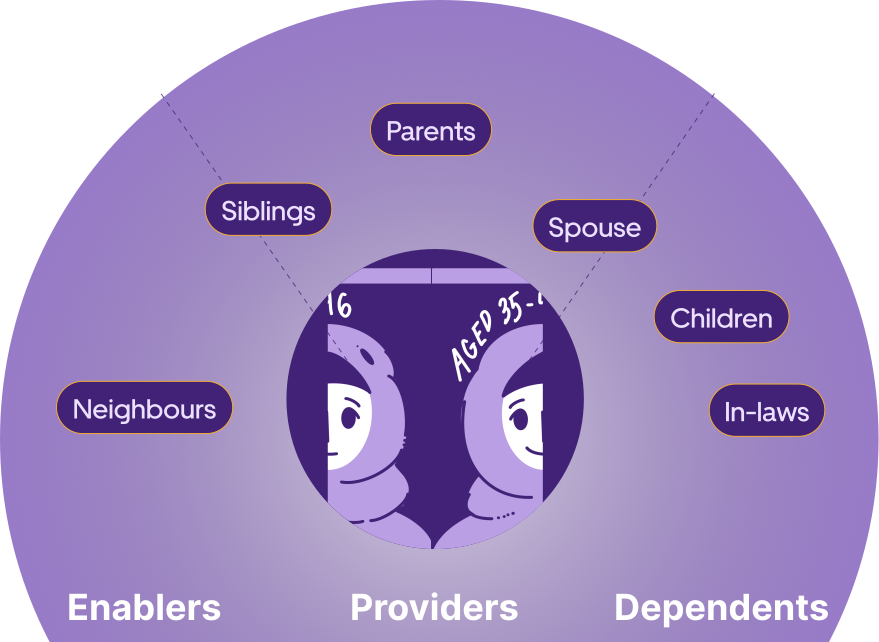
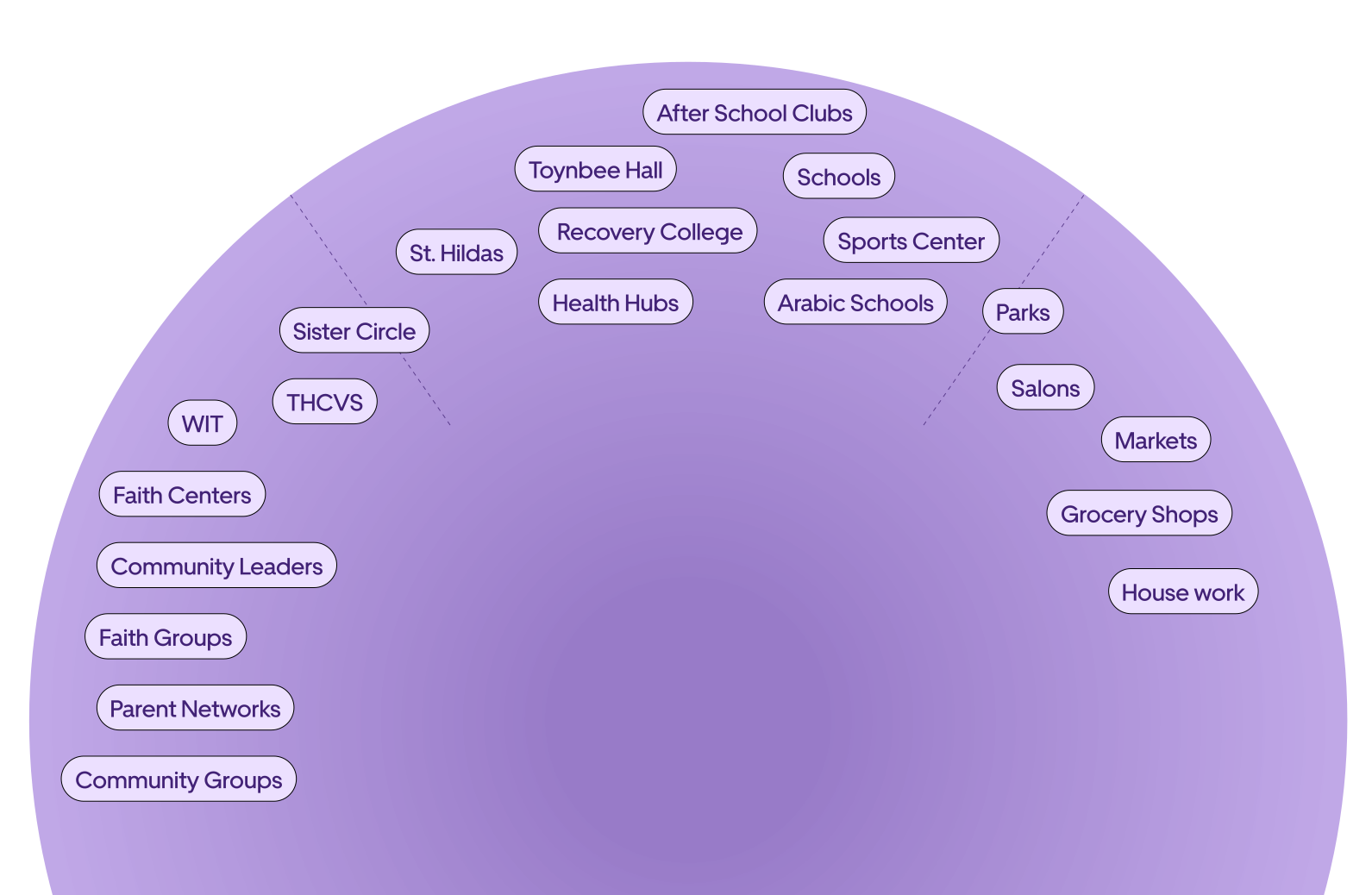
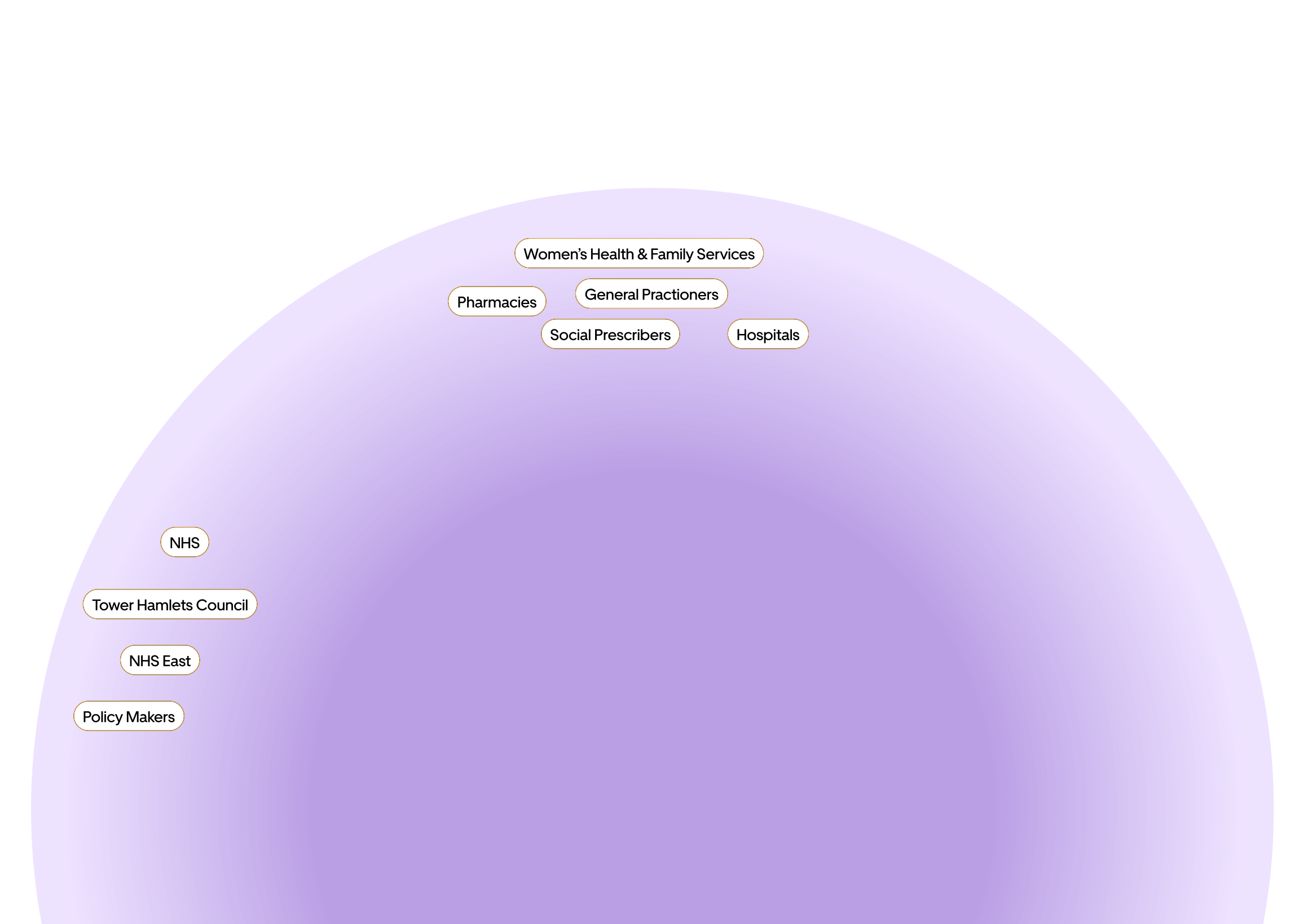
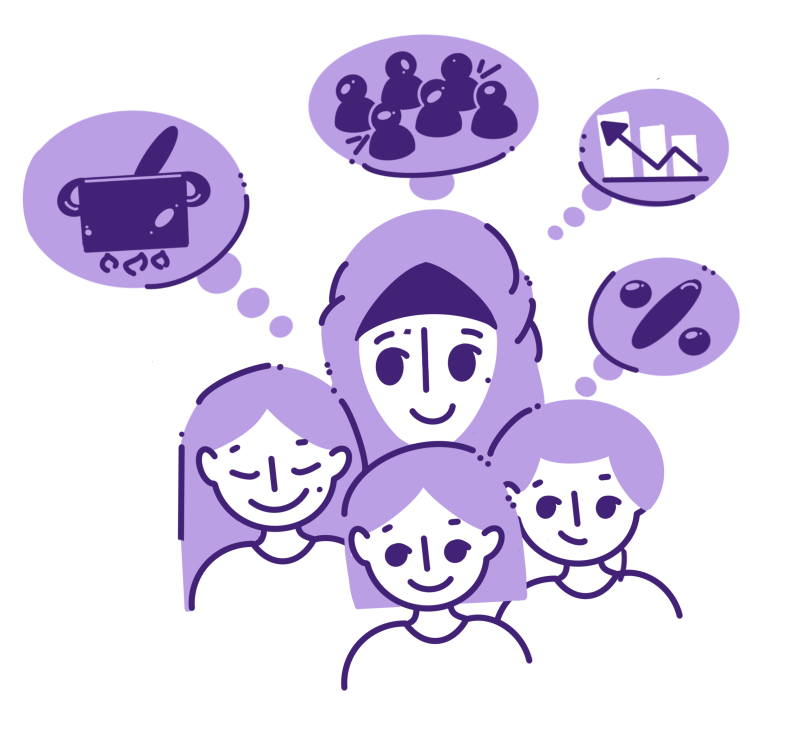
Care sits within a wider network.
Discover — 04
From barriers to opportunities
The strongest design directions came from pairing each barrier with a practical opening. Scroll to read every pair together.
Barrier
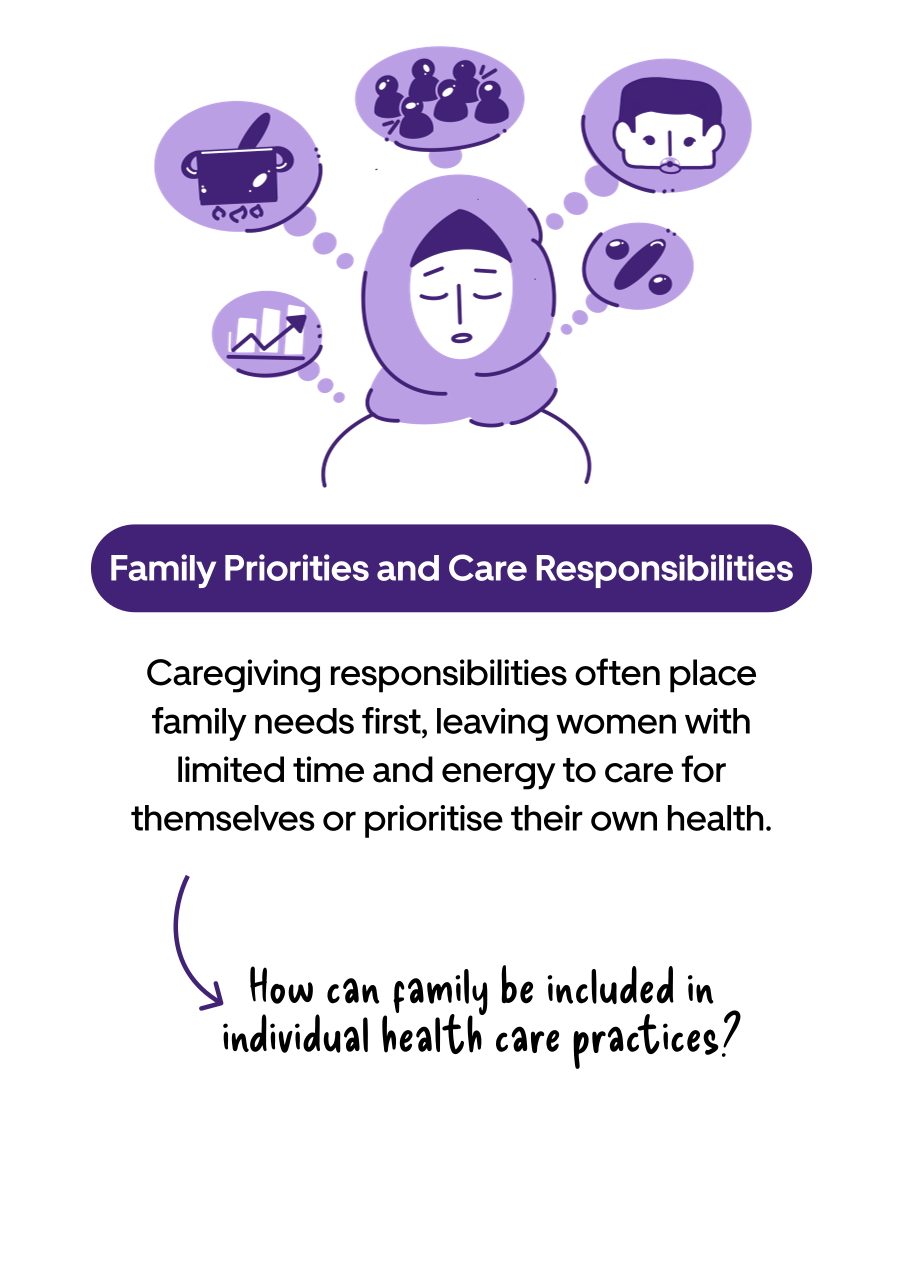
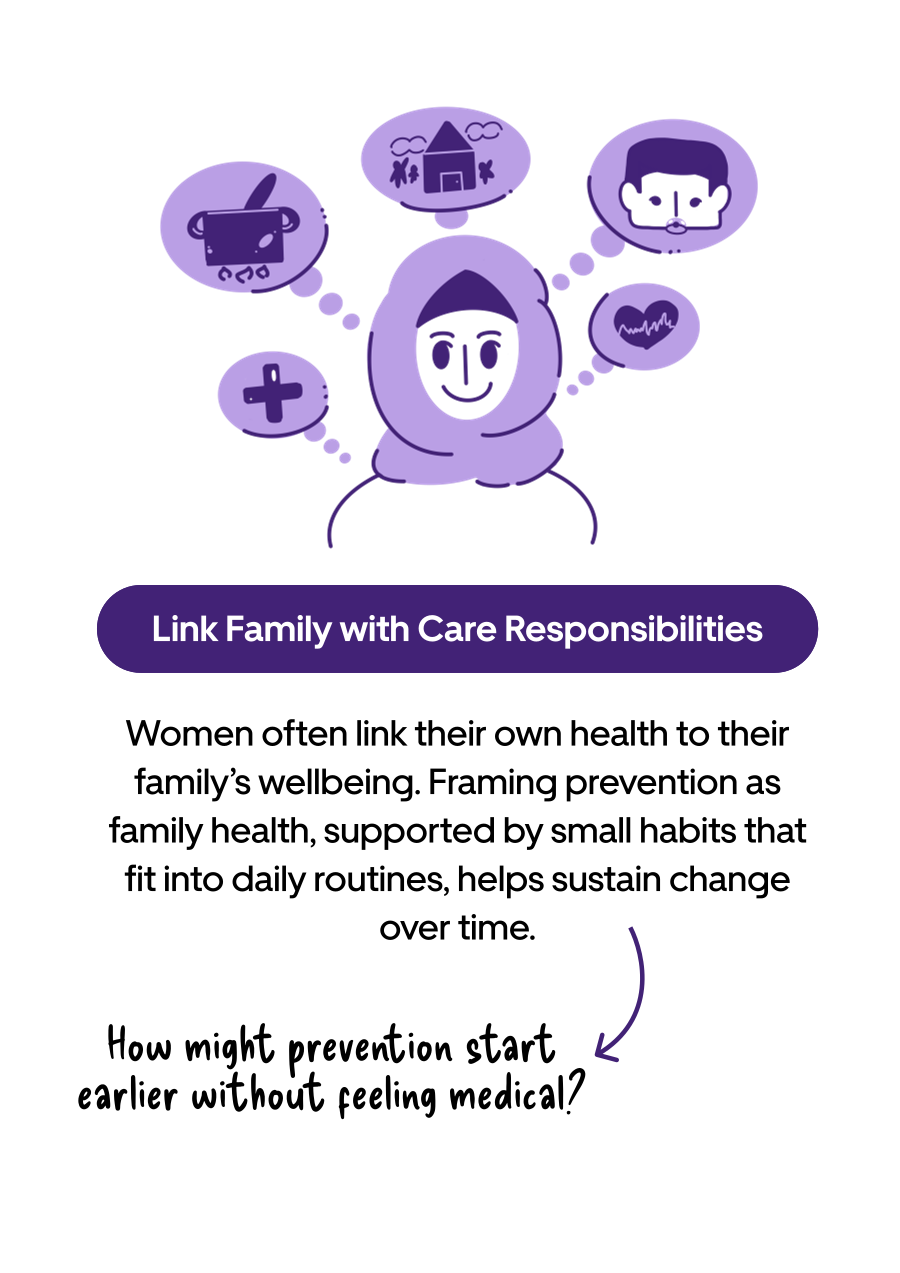
Family Priorities and Care Responsibilities
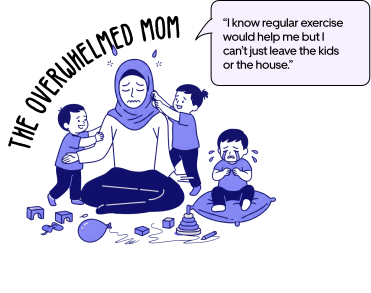
Caregiving responsibilities often place family needs first, leaving women with limited time and energy to prioritise their own health.
Opportunity
Link Family with Care Responsibilities
Framing prevention as family health, supported by small habits that fit daily routines, can make self-care feel relevant and sustainable.
Barrier
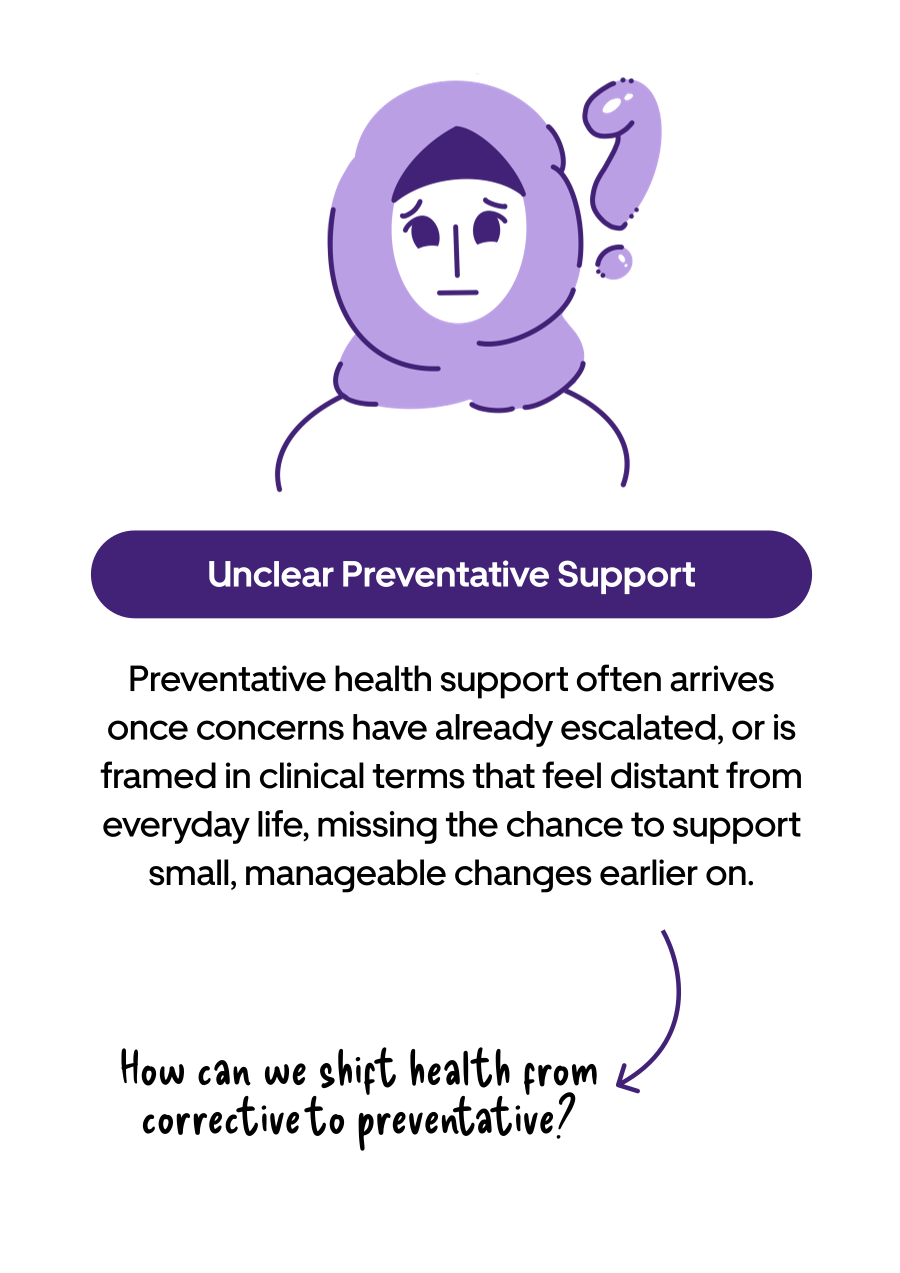
Unclear Preventative Support
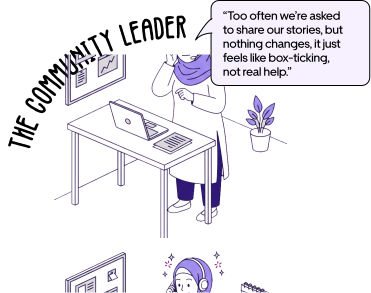
Preventative support often arrives after concerns escalate or uses clinical language that feels distant from everyday life.
Opportunity
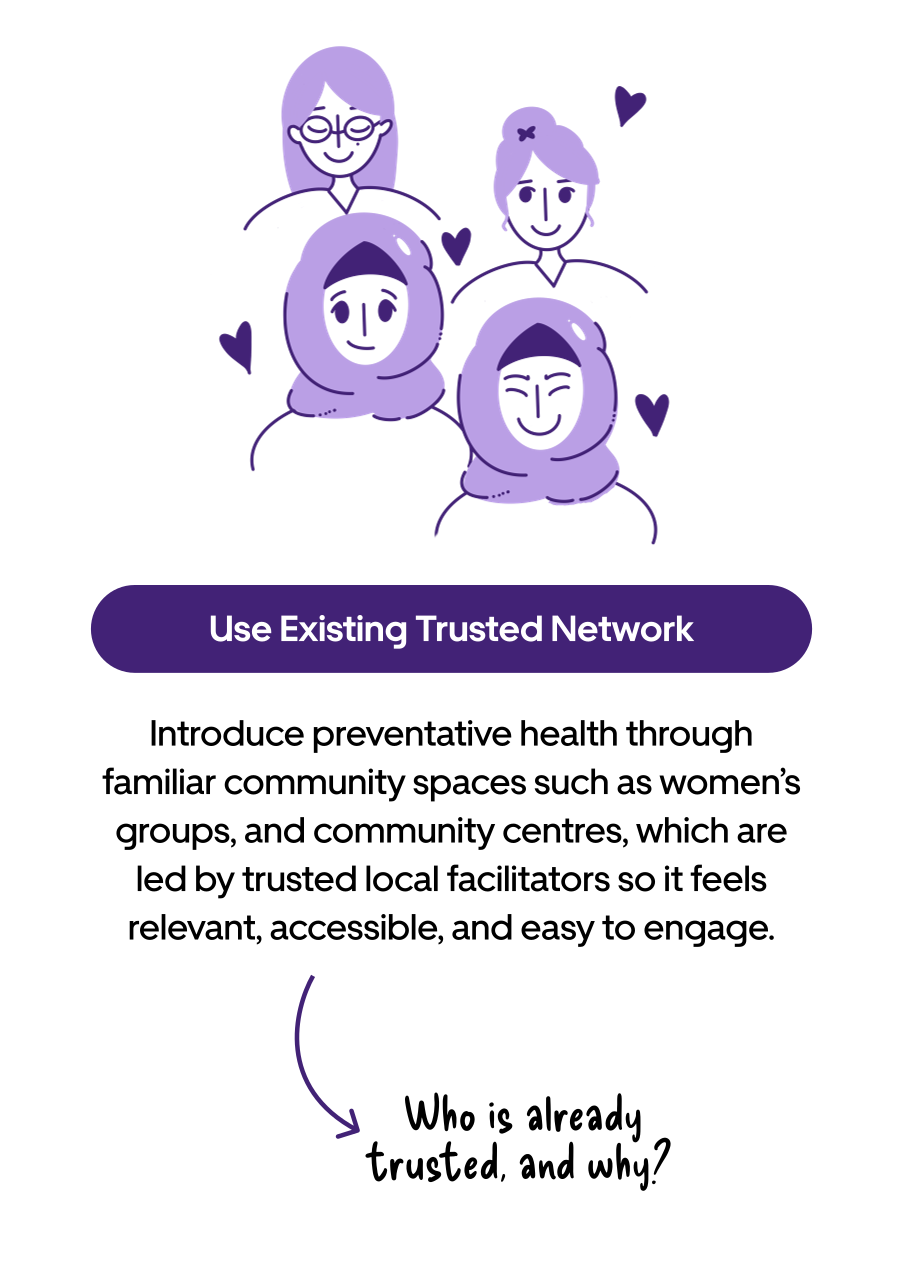
Use Existing Trusted Networks
Introducing prevention through familiar community spaces and trusted local facilitators can make support more accessible and credible.
Barrier
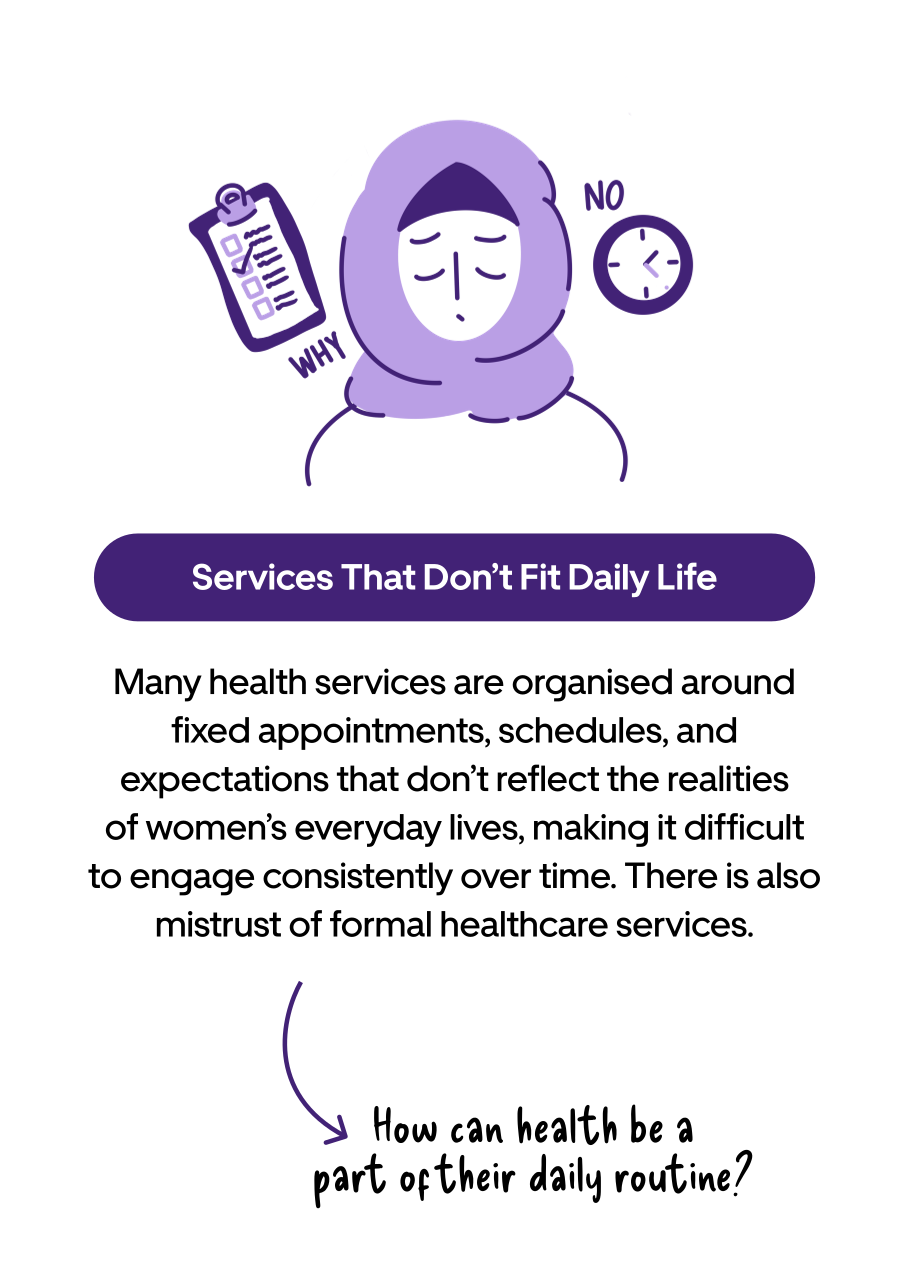
Services That Don’t Fit Daily Life
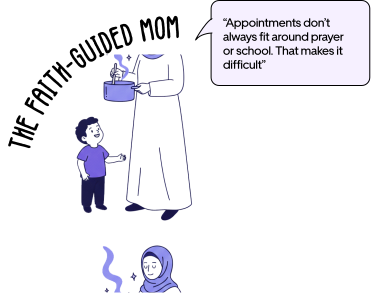
Fixed appointments and schedules often conflict with caregiving, work, faith, and household responsibilities.
Opportunity
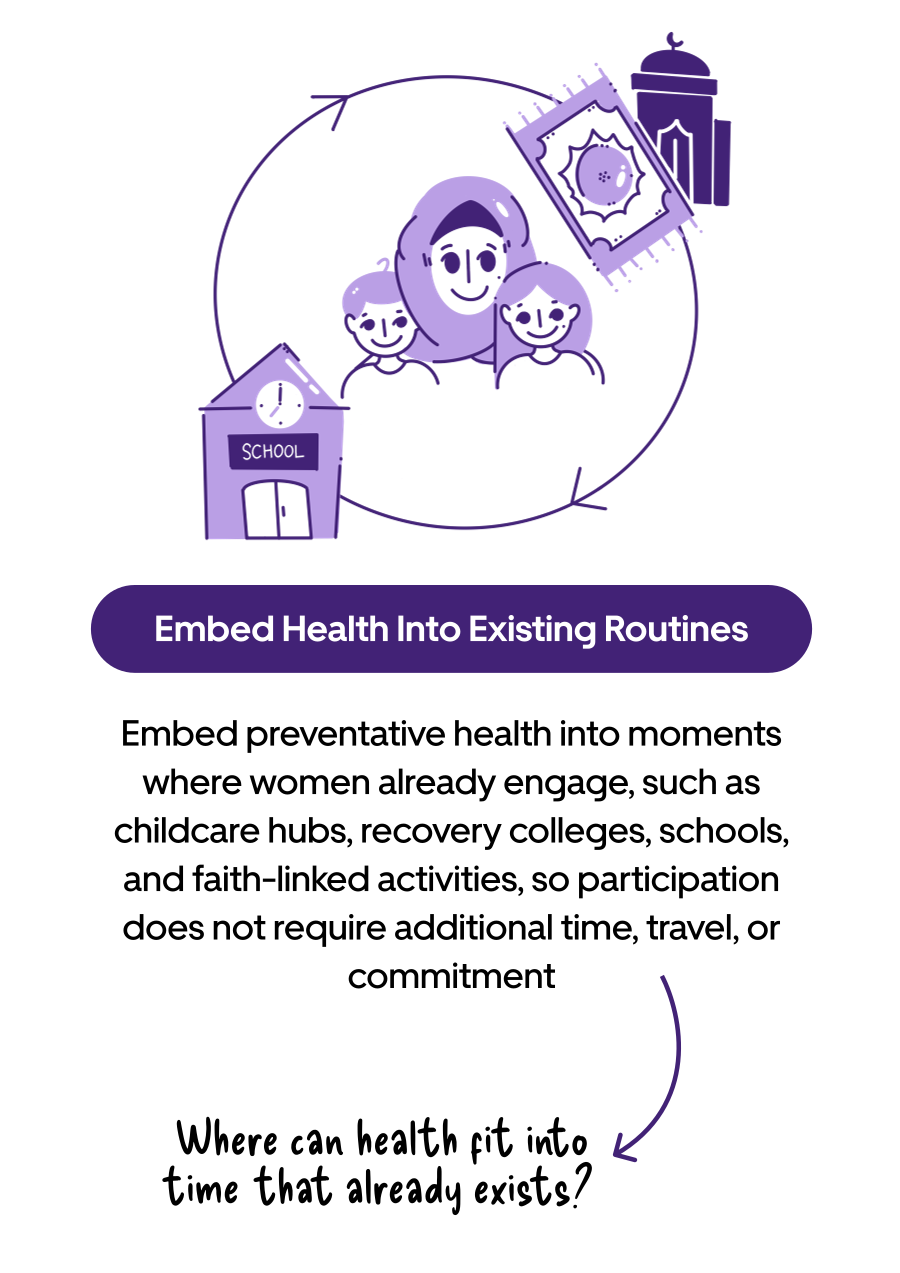
Embed Health Into Existing Routines
Preventative health can enter moments that already exist, such as schools, childcare hubs, recovery colleges, and faith-linked activities.
Define — 05
Two lived experiences. One trusted connector.
Research patterns were translated into representative perspectives and a focused design question for preventative health in daily family life.
Age 48
Sahra
Sahra is primarily Somali speaking, has two school-aged children, and structures her days around prayer, school pickups, food preparation, mosque events, volunteering, and extended family expectations.
Responsibility
Shares household responsibilities and organises movement and availability around daily prayer times.
Routine
Morning: prayer, meals, and school preparation. Afternoon: pickups, walking, and caregiving. Evening: cooking, family or mosque commitments, and settling the household.
Frustrations
- Cultural and language barriers limit access to healthcare
- Health information online is difficult to find and understand
- Community judgement can surround “Western” fitness activities
- Caregiving contributes to shoulder and back tension
Motivation
To model good character for her children and remain well enough to care for her family.
View profile details
Responsibility
Shares household responsibilities and organises movement and availability around daily prayer times.
Routine
Morning: prayer, meals, and school preparation. Afternoon: pickups, walking, and caregiving. Evening: cooking, family or mosque commitments, and settling the household.
Frustrations
- Cultural and language barriers limit access to healthcare
- Health information online is difficult to find and understand
- Community judgement can surround “Western” fitness activities
- Caregiving contributes to shoulder and back tension
Motivation
To model good character for her children and remain well enough to care for her family.
Define — 06 · How might we?
How might we increase women’s healthy life expectancy by embedding small, preventative health habits into everyday family and household routines?
Design — 07
Designing with the routines already there.
Co-design activities explored how the service language, tools, and interactions could feel culturally appropriate, practical, and non-judgemental.
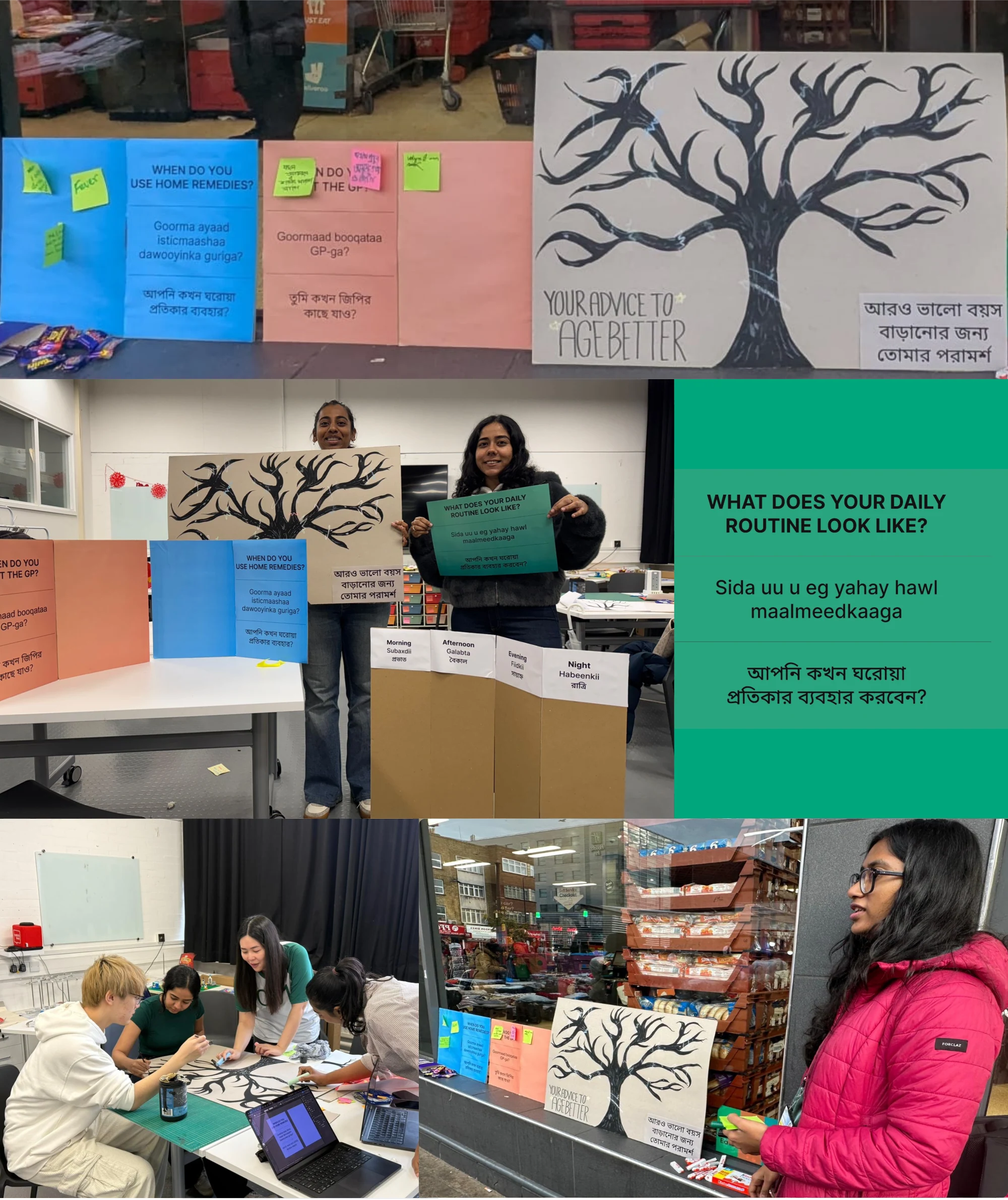
Activity 01
Pop-Up with Users
- Duration
- 2–3 hours
- Engagement
- 10–15 people
- Location
- Public streets and local shops in Tower Hamlets
Multilingual, low-pressure street activities explored how women understand everyday health and when they seek formal support.
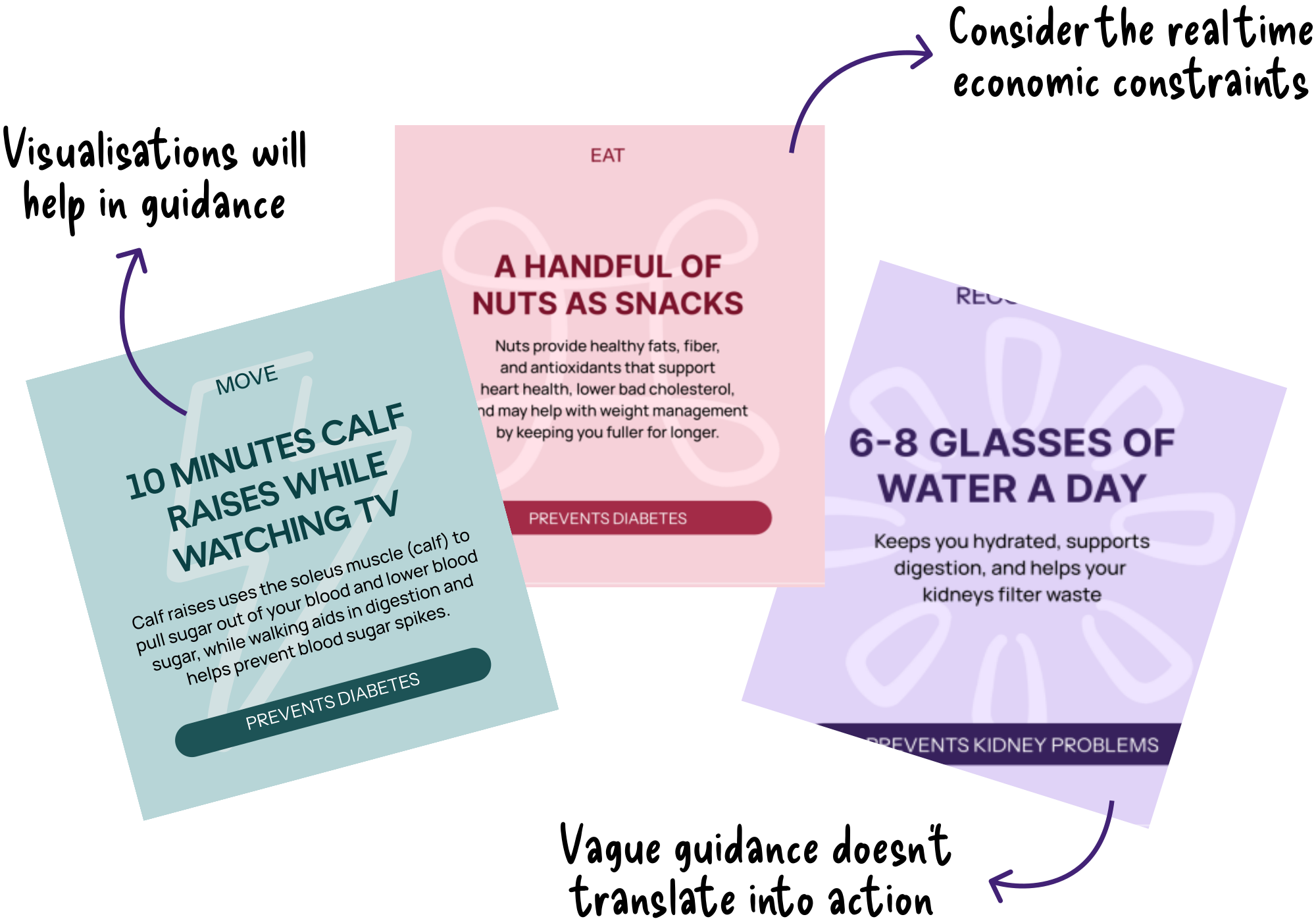
Activity 02
Working with Leaders
- Duration
- 1.5 hours
- Engagement
- Community lead at NHS Tower Hamlets Recovery College
- Location
- Online meeting
Community leaders shaped the Care Cards’ language and tone so the prompts acknowledged faith, home practices, and women’s time pressures without judgement.
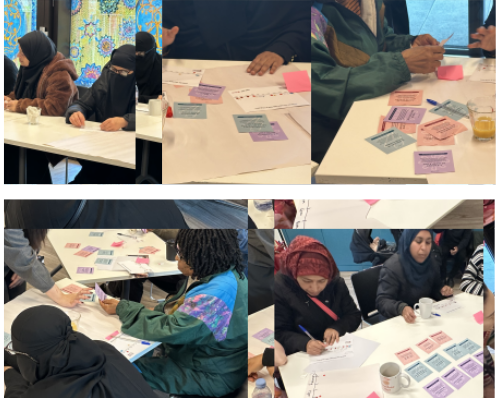
Activity 03
Co-Design with Users
- Duration
- 1 hour
- Engagement
- 20+ users and partners
- Location
- Tower Hamlets Residents’ Panel at Toynbee Hall
Participants mapped daily routines, pressure points, and quieter moments before exploring where Care Cards could realistically fit.
Design principles
What the service must protect.
Care Starts at Home

Fit into the Routine
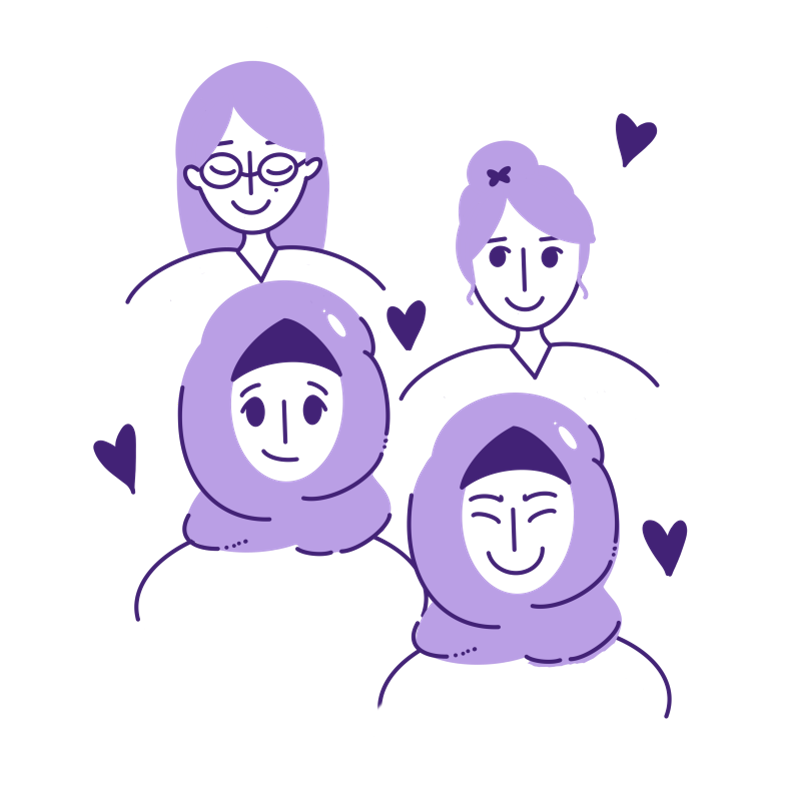
Bring the Trust Back
Deliver — 08
One service. Four connected moments.
The resulting service combines trusted community entry points, facilitated workshops, physical Care Cards, and continued digital support.
Touchpoint 01
School Parent Notice Board
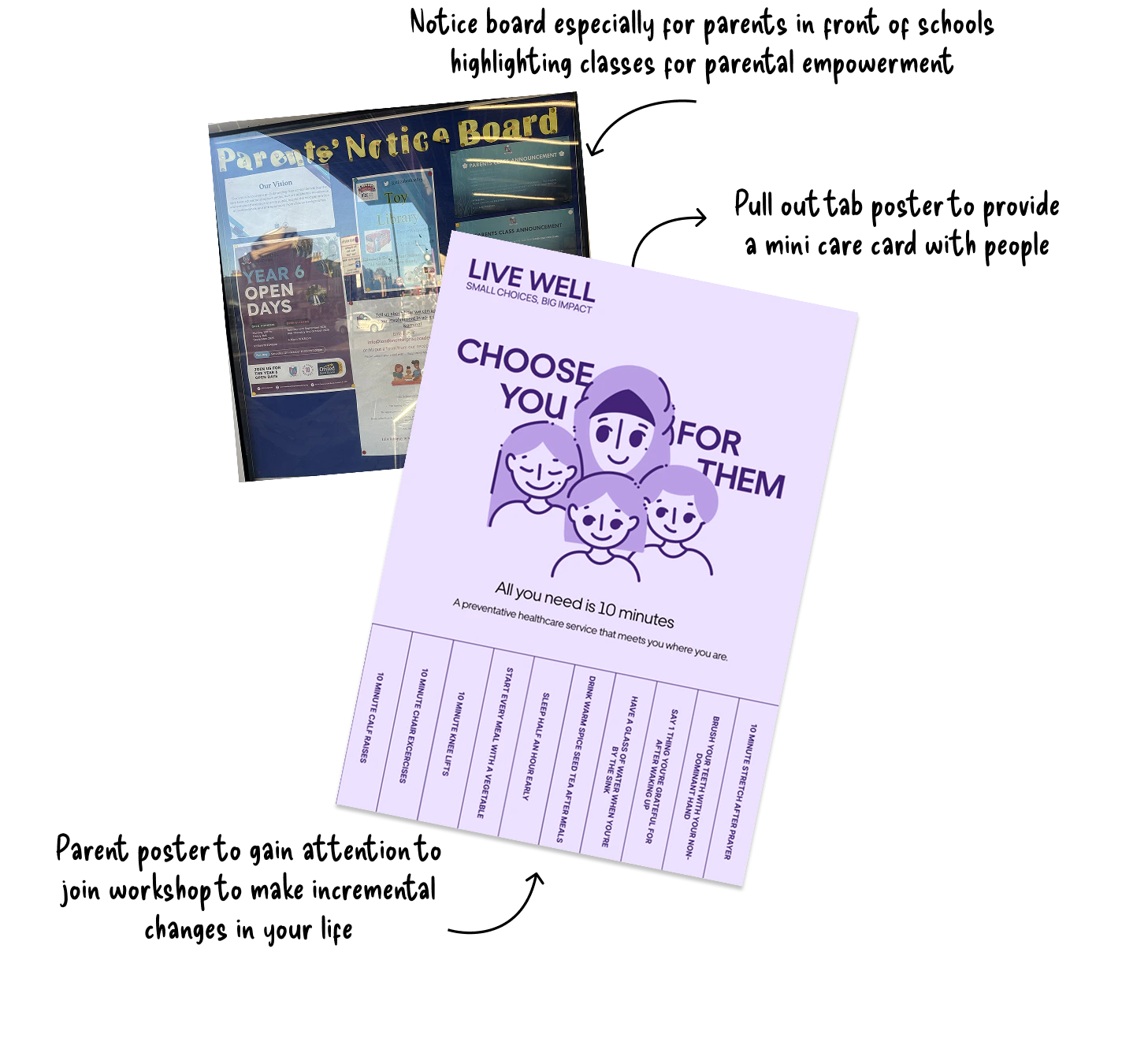
The notice board reaches mothers during school drop-off and pick-up, requiring no additional travel, appointment, or digital access.
Touchpoint 02
Workshop
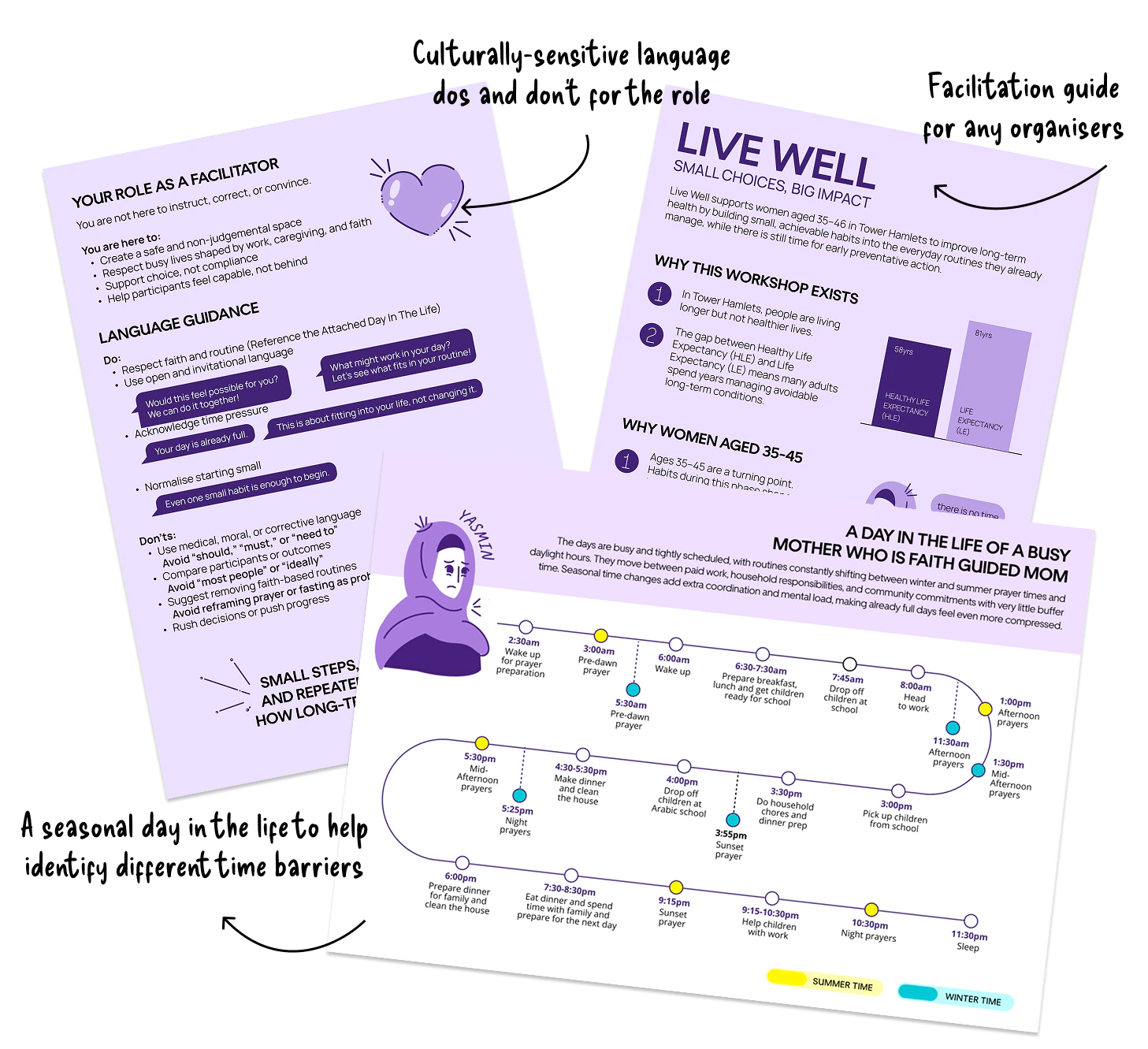
Short sessions in trusted community settings help women identify one realistic habit without instruction or judgement.
Touchpoint 3.1
Care Cards Part 1
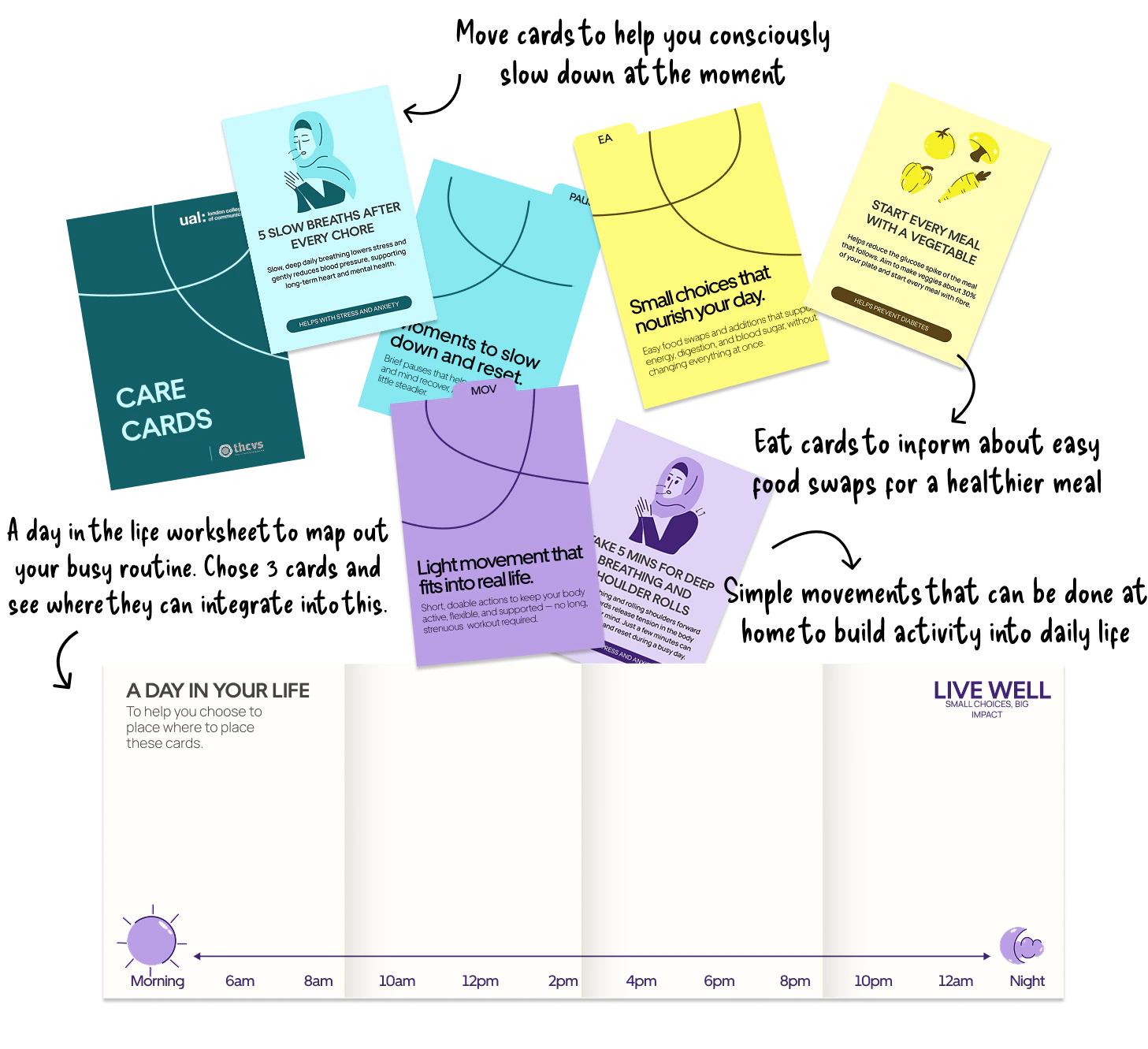
Participants use a day-in-the-life worksheet to locate realistic openings, then compare Eat, Move, and Pause prompts against the shape of an ordinary day.
Touchpoint 3.2
Care Cards Part 2
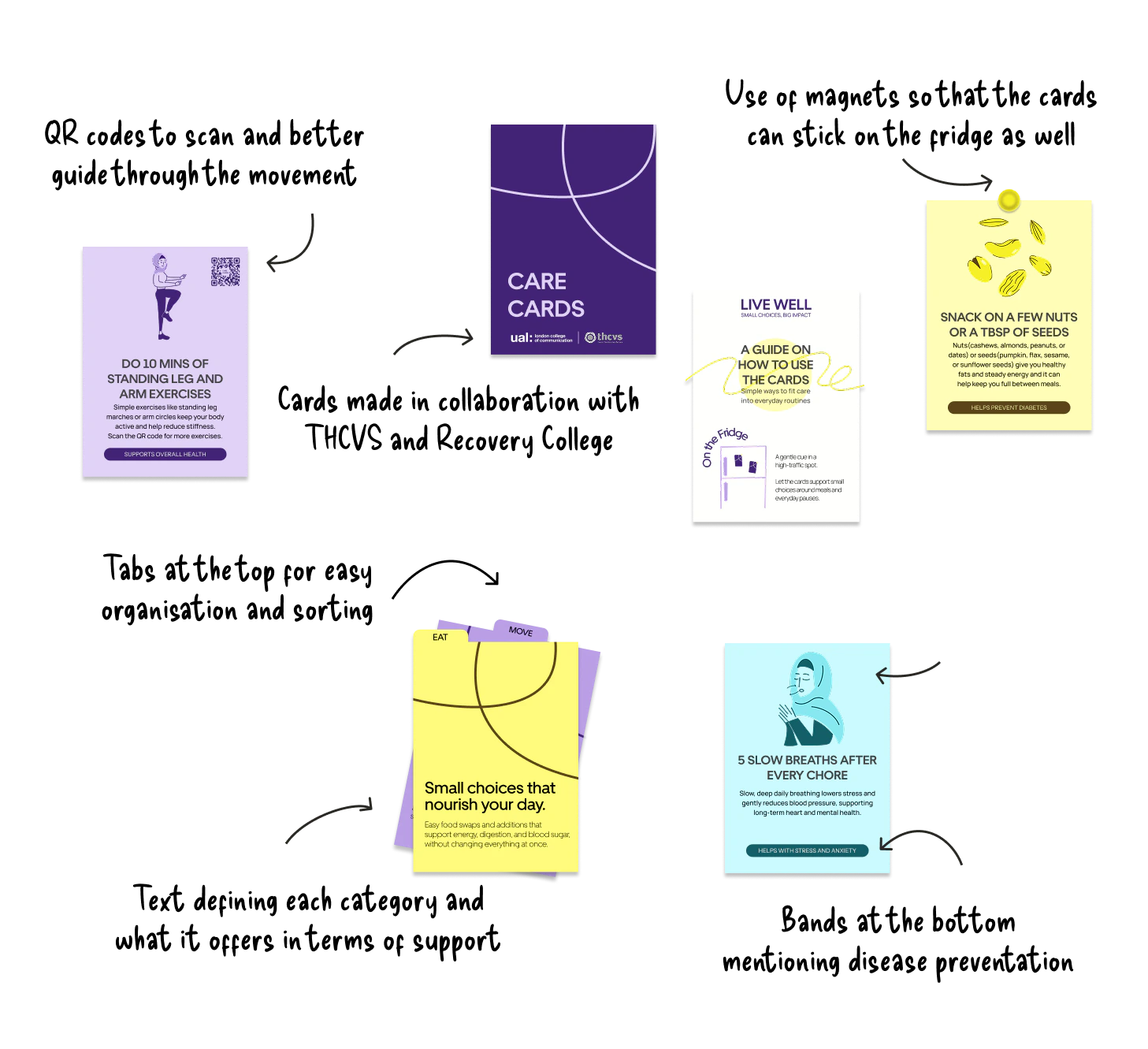
A small set of chosen cards moves from the workshop into the home, turning intentions into visible prompts that can be placed, revisited, and adapted.
Touchpoint 04
Digital Platform
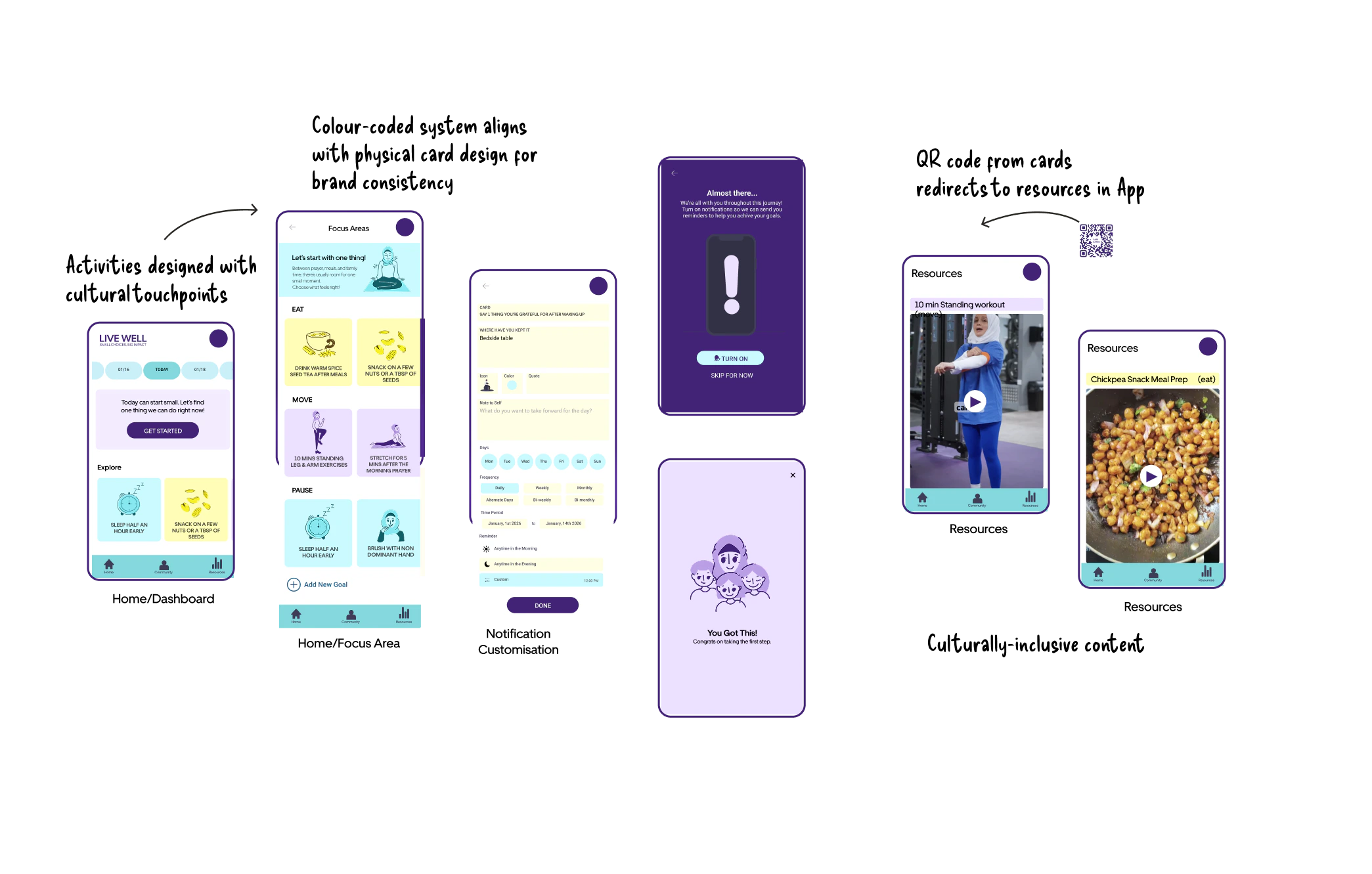
QR codes on Eat, Move, and Pause cards connect women with culturally responsive resources, reminders, and continued community support.
Deliver — 09
The journey continues beyond the workshop.
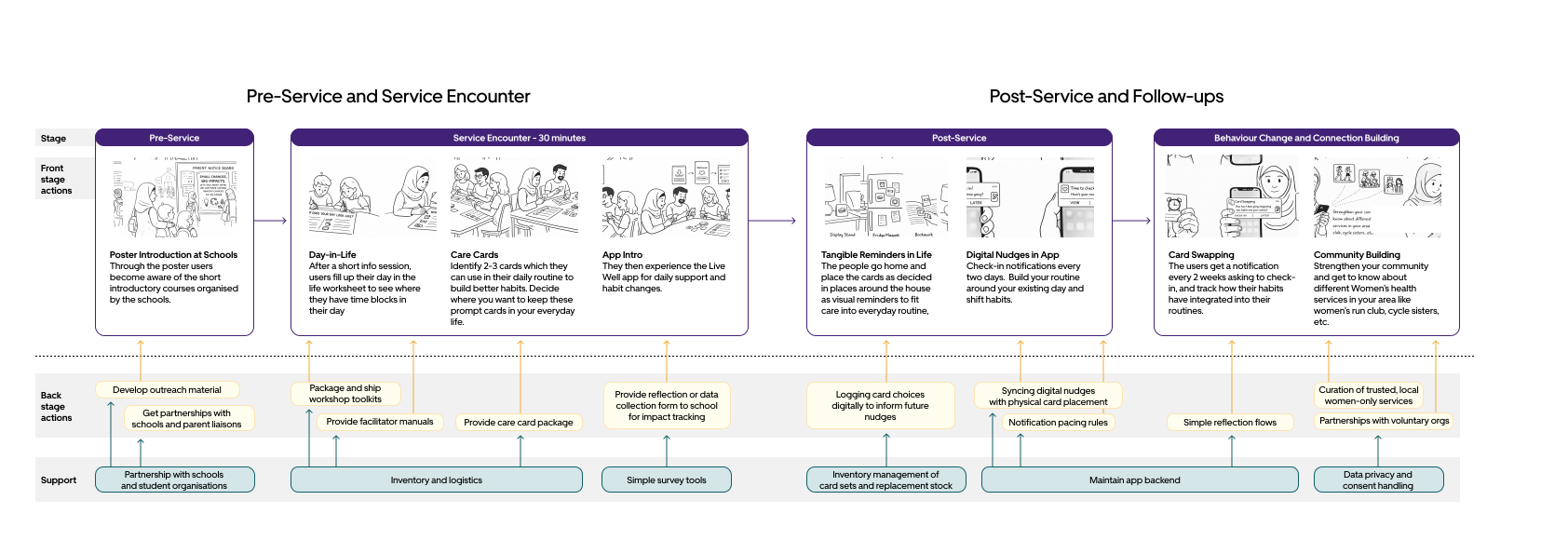
Resolution — 10
A pilot with a clear evidence boundary.
The pilot produced a connected service concept rather than a claim of measured health impact. Its value lies in showing how preventative support could enter trusted places and existing routines without asking women to take on another appointment or obligation. The current evidence supports the design direction, language, and service touchpoints developed through research and co-design. It does not yet establish long-term behaviour change, clinical outcomes, or a live-service adoption rate.
Designed
Four connected service touchpoints: community discovery, facilitated workshops, physical Care Cards, and a light-touch digital continuation.
Grounded
The concept was shaped through professional interviews, community conversations, street research, leader feedback, and co-design activities.
Not Yet Proven
Long-term health outcomes, sustained behaviour change, and delivery at scale require a live pilot with follow-up research.
Next Step
Run the service with a delivery partner, observe how women use the Care Cards over time, and measure which touchpoints support continued engagement.