About the Project
Service Design / UI/UX
Bean Cycle
Studio
Turning everyday coffee waste into a shared circular resource
Scroll to enter the story ↓
About the Project
A visible, participatory life beyond the bin.
Beancycle Studio is a circular service concept that gives spent coffee grounds (SCGs) a more visible and useful life beyond the bin. It combines coffee-shop collection, public education, DIY workshops, community participation and a supporting digital platform.
The project began with a simple contradiction: coffee is part of everyday life, yet the material left behind is largely invisible to the people who produce it. Field research suggested that people were interested in reuse once they understood its possibilities, but awareness and convenient ways to participate were missing.
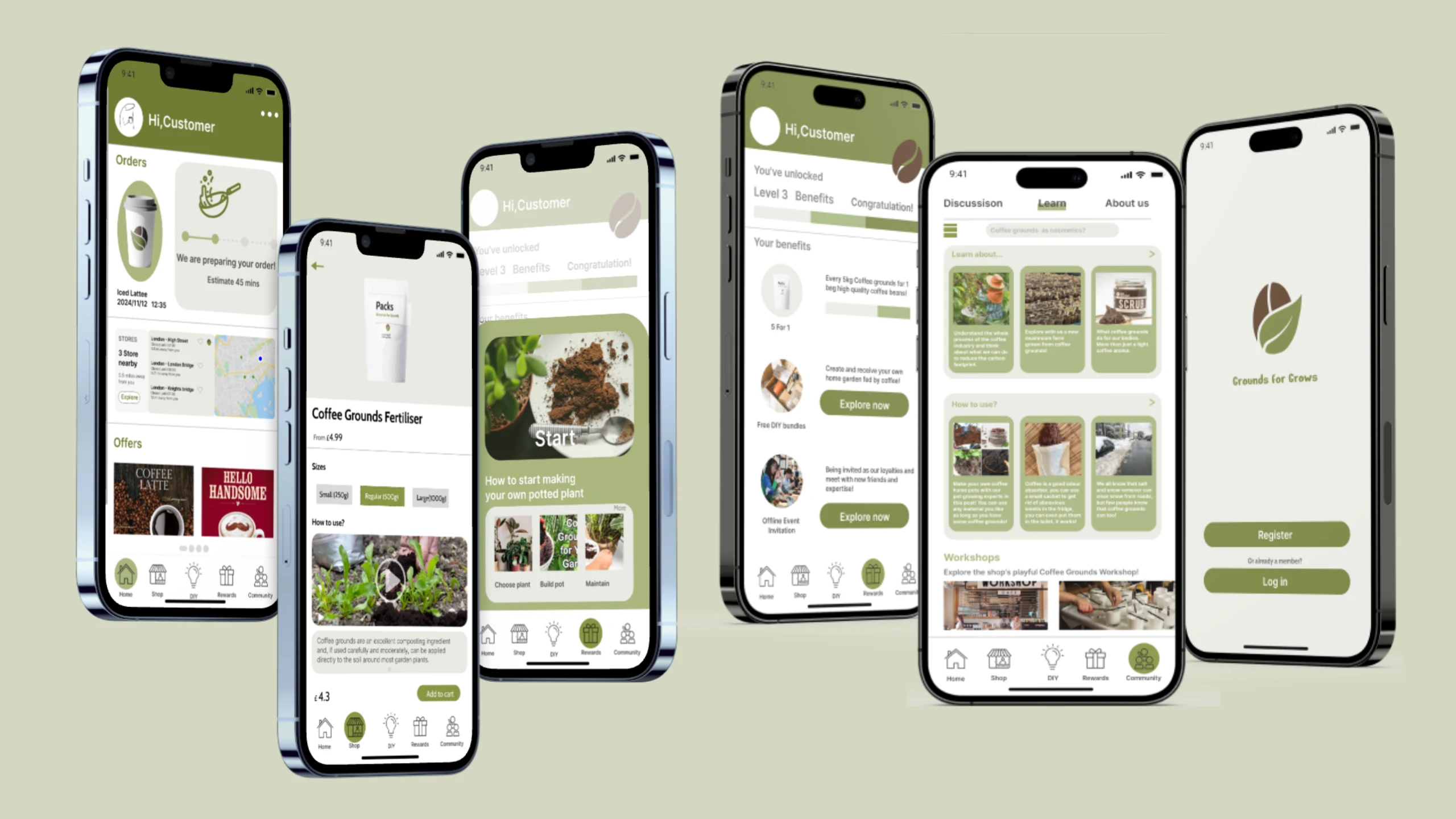
Beancycle responds by connecting consumers, coffee shops, logistics partners, processors and community organisations in one service system. The digital experience helps people discover workshops, learn reuse methods, follow circular activity and take part in a wider community.
- Role
- User Research, Service Design, UI/UX Design, Prototyping and User Testing
- Timeline
- July 2024 – November 2024
- Context
- London · Costa case study
- Audience
- Coffee consumers and coffee shops
Discover — 01 Research Context
From Everyday Coffee to an Invisible Waste Stream
Five signals that locate the opportunity without mistaking scale for proof of behaviour.
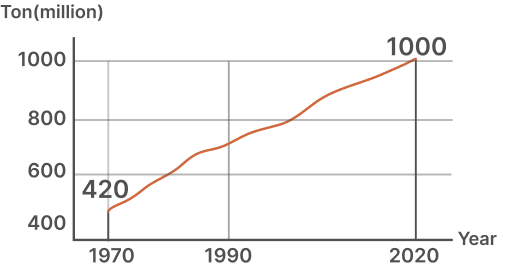
Coffee Is an Everyday Global Habit
Coffee consumption has doubled over the past 50 years. Global consumption exceeded 9.3 billion kilograms in 2016, creating a large and continuous stream of spent coffee grounds.
Every Cup Leaves Material Behind
Approximately 60 million tonnes of spent coffee grounds are produced worldwide each year.

Coffee Shops Are Part of Weekly Routines
In the UK, around 500,000 tonnes of coffee grounds are produced. Coffee shops are a recurring part of everyday life: 80% of people visit at least once a week.

For Some, the Routine Is Daily
16% of people visit a coffee shop every day.

A Reusable Resource Remains Invisible
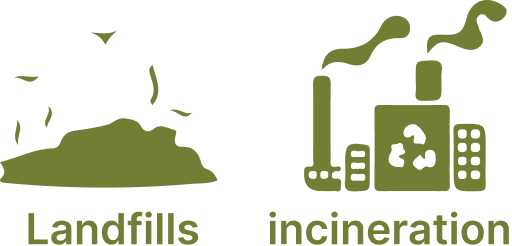
Despite the potential value of this material, landfill and incineration remain common disposal routes. These methods lose usable resources and can create further environmental impacts.
Discover — 02 Site Visit
Observing the Gap at Costa
How an existing reuse opportunity remained physically present but difficult to notice or join.
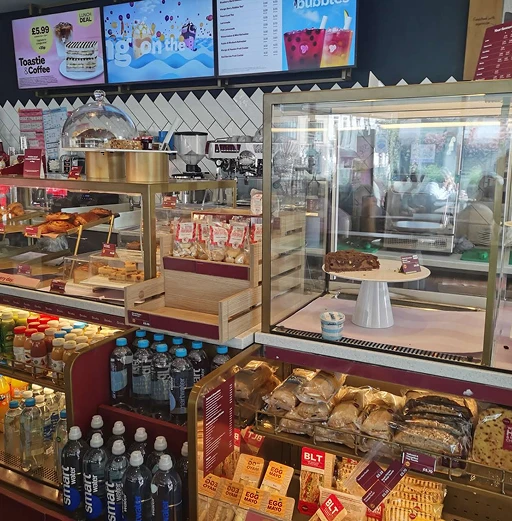
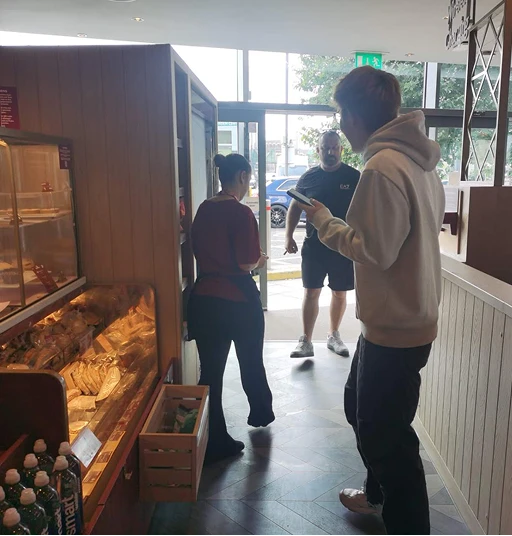
Why Costa?
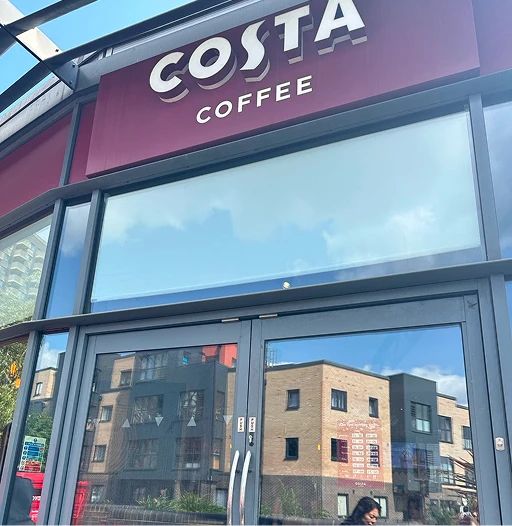
Costa provides a useful case study because of its scale and recognisable presence in everyday coffee culture. The selected store was located in a busy central London shopping centre, making it a representative place to observe how coffee grounds were handled and whether customers noticed existing reuse opportunities.
Why Costa?
Costa provides a useful case study because of its scale and recognisable presence in everyday coffee culture. The selected store was located in a busy central London shopping centre, making it a representative place to observe how coffee grounds were handled and whether customers noticed existing reuse opportunities.

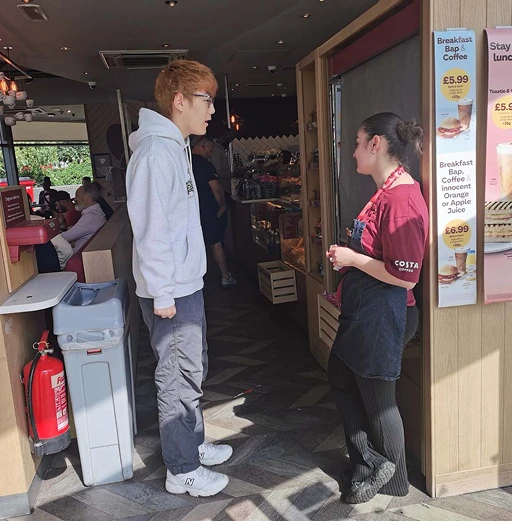
An Available Resource That Customers Rarely Saw
The store offered small bags of free coffee grounds, but only a few customers took them. The opportunity was physically present, yet easy to overlook and unsupported by clear information about what the grounds could be used for.
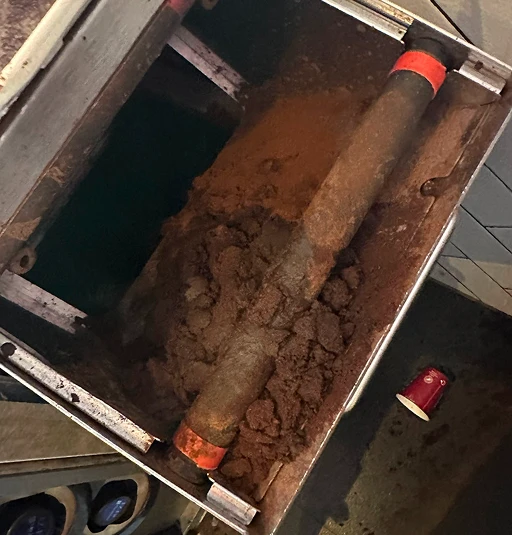
Most Grounds Still Became Waste
The store produced approximately 15 kg of coffee grounds per day, almost all of which were discarded. The observation revealed a gap between the availability of reusable material and people's ability to recognise, understand and act on it.
Discover — 03 Field Experiment
Testing Public Interest Through a Small Field Experiment
A tangible resource, a familiar social moment and a simple next step tested whether awareness could become action.
Step 01
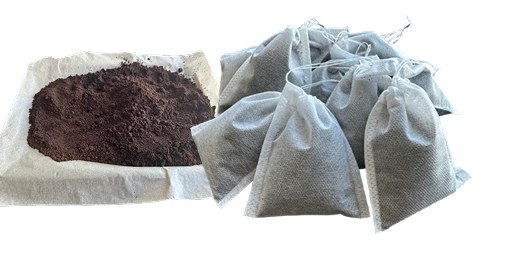
Make the Material Tangible
I collected discarded coffee grounds from a community centre and divided them into small, easy-to-carry packets. This turned an abstract waste issue into something participants could see, smell and take home.
Step 02
Start with a Familiar Social Moment
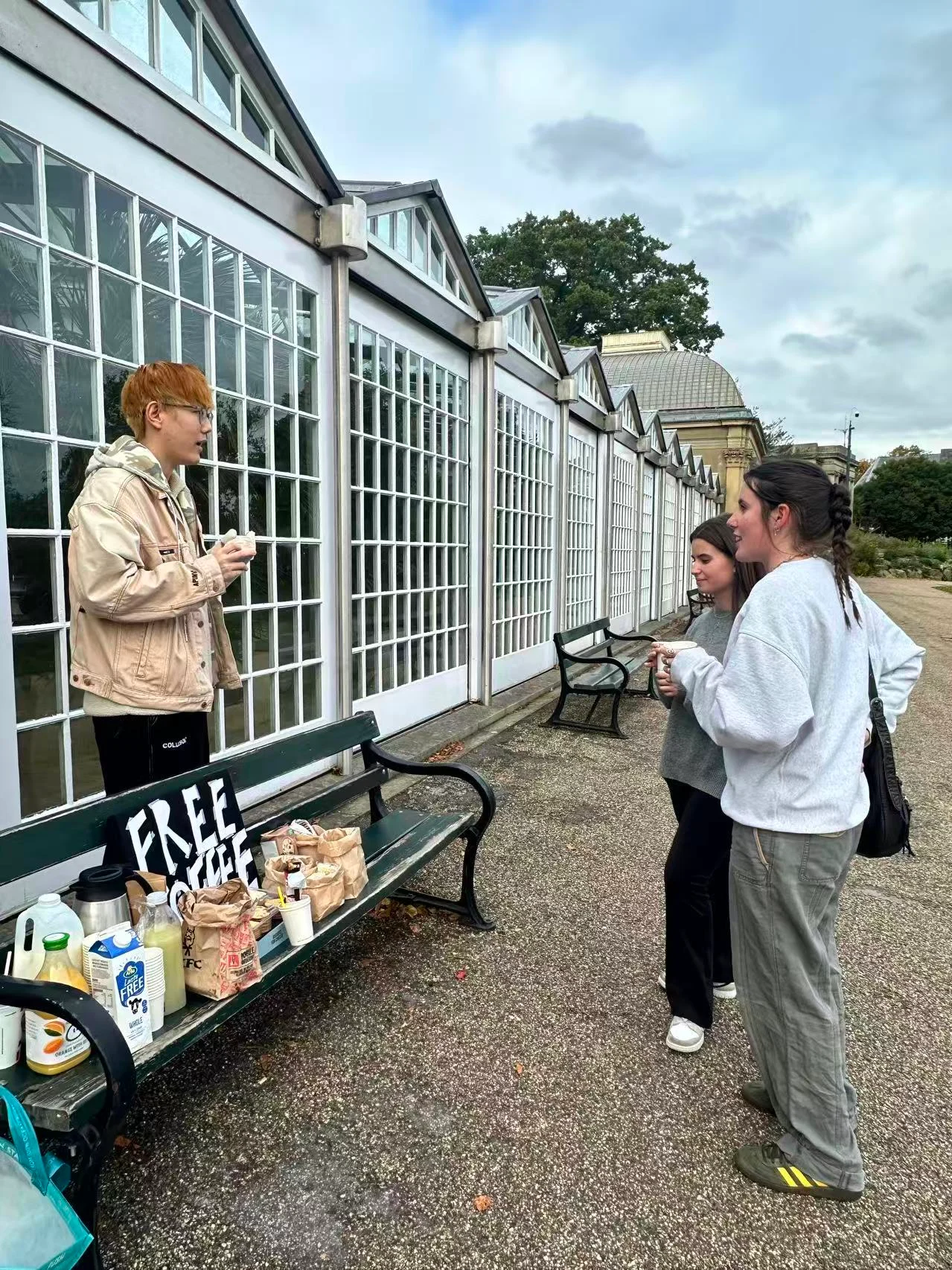
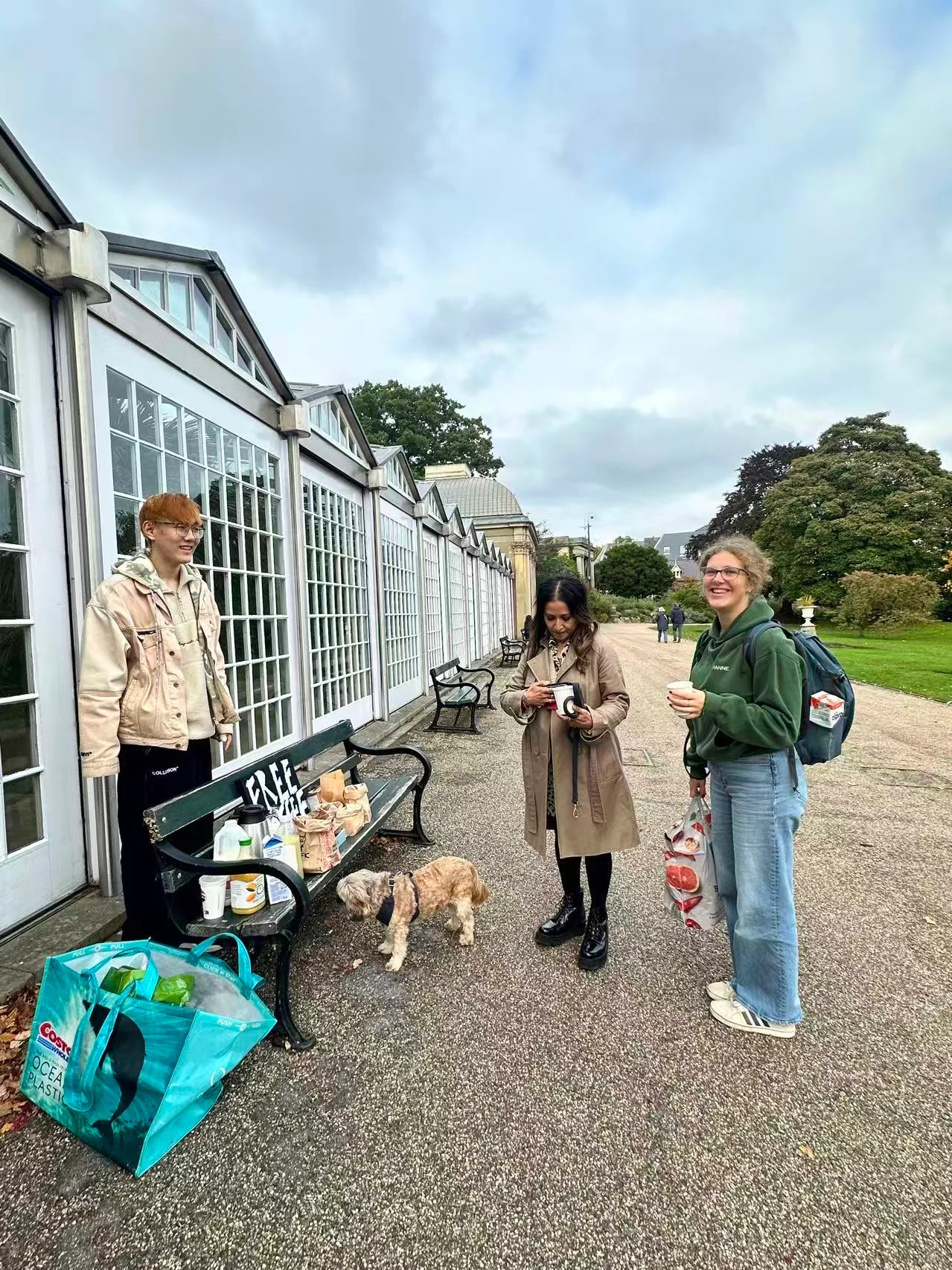
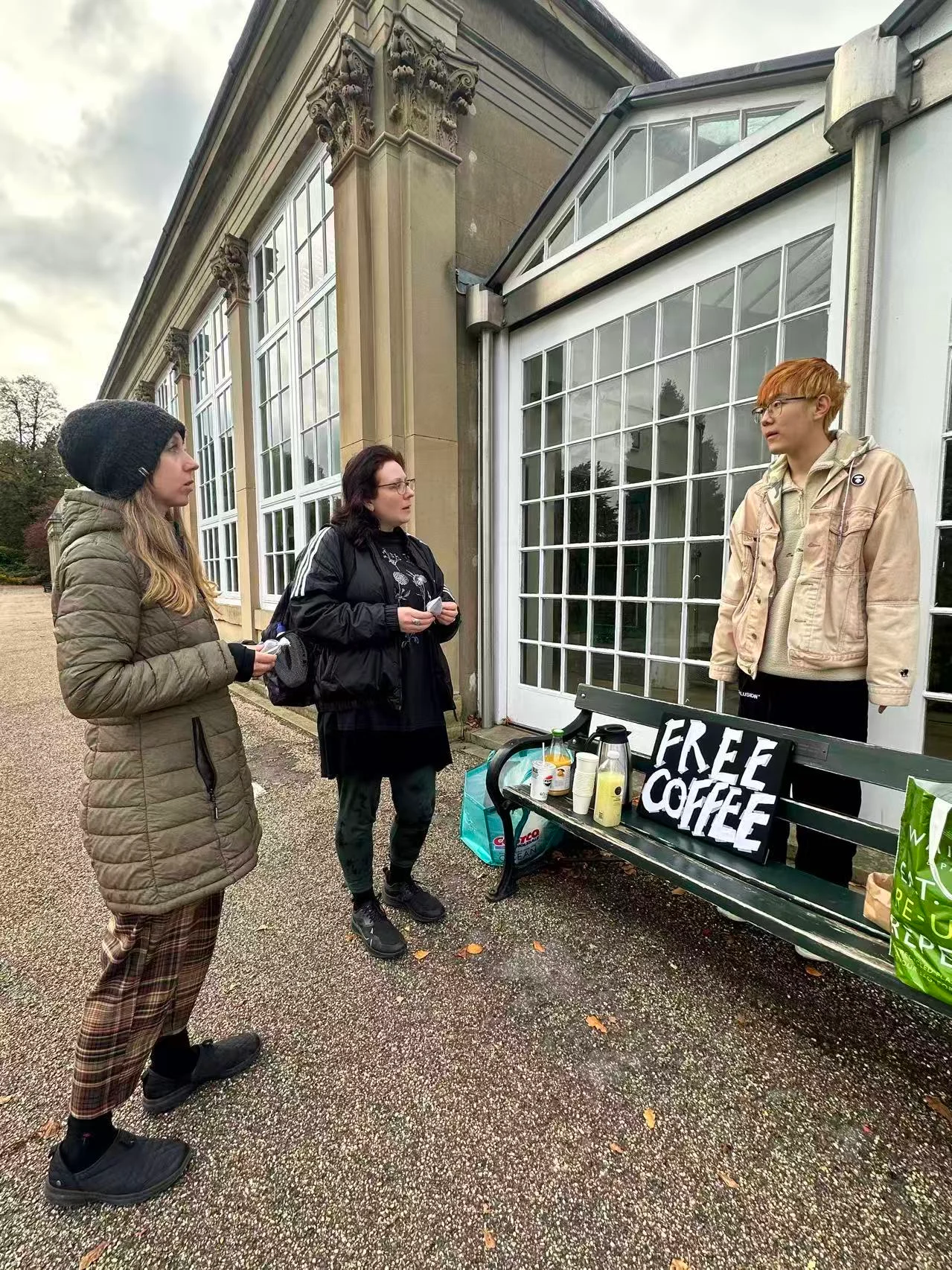
I used a free-coffee activity in a park to invite informal conversations. Participants were asked what they knew about SCG recycling and whether they had encountered reuse guidance in coffee shops or elsewhere.
Step 03
Move from Awareness to Action
Each participant was invited to take coffee grounds home for simple uses such as gardening or odour absorption. This tested whether interest could become action when the resource, information and next step were presented together.
Discover — 03 Field Experiment
Testing Public Interest Through a Small Field Experiment
A tangible resource, a familiar social moment and a simple next step tested whether awareness could become action.
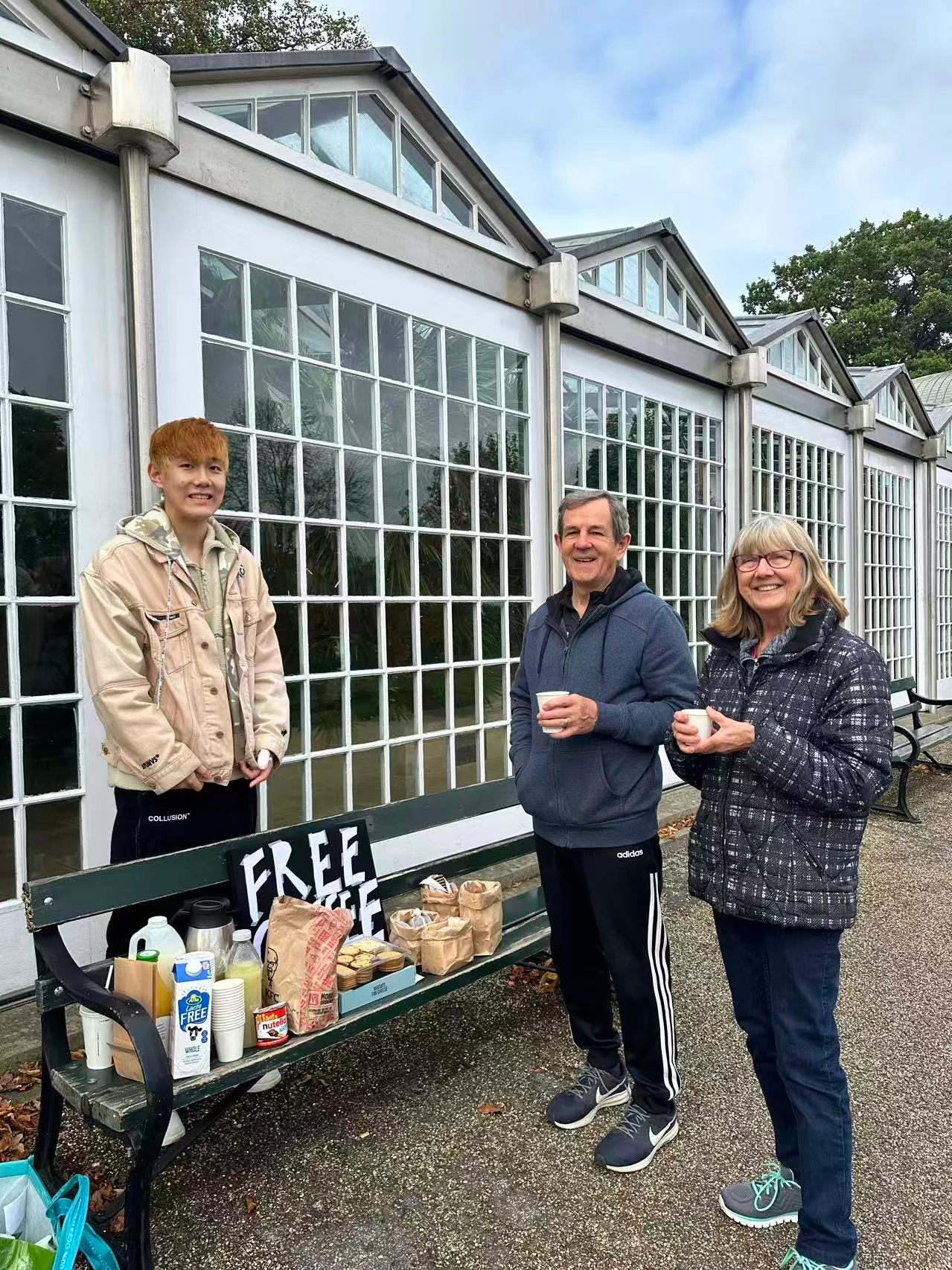
“We occasionally spread coffee grounds in the garden at home and it is a great fertiliser, but we threw most of it away.”Field research participant 01
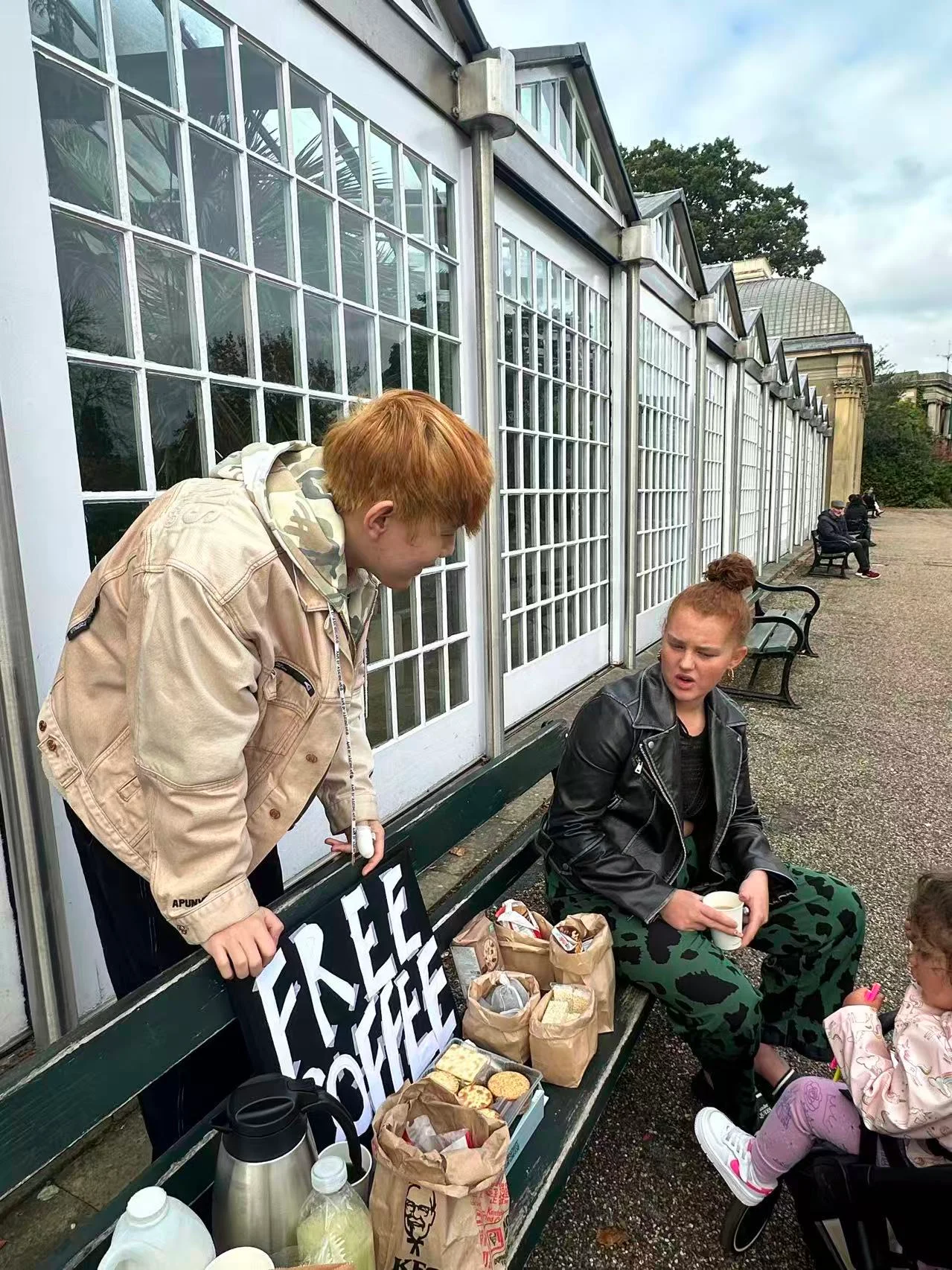
“I drink a lot of coffee every day, but I never knew there were so many uses for coffee grounds.”Field research participant 02
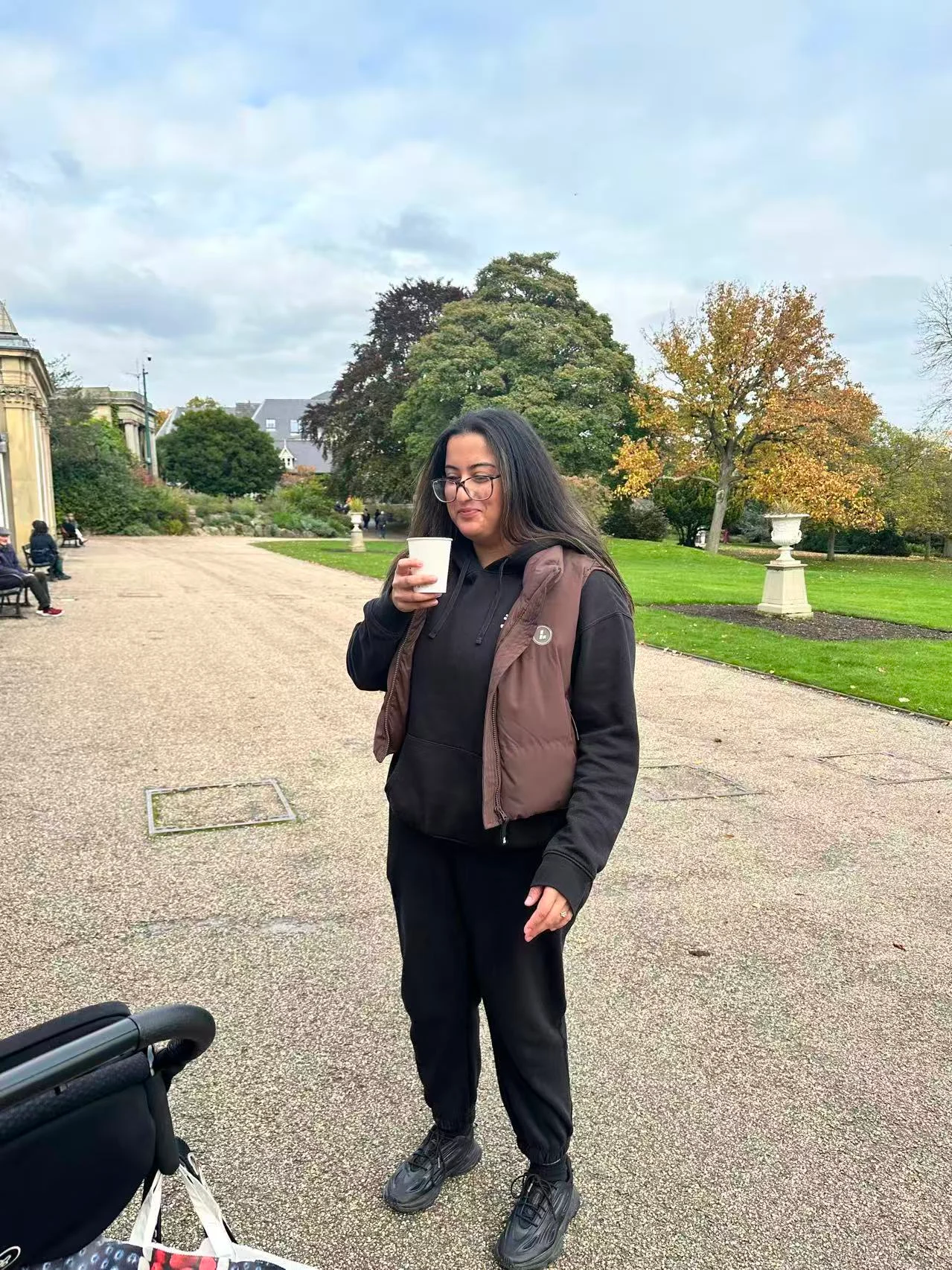
“It is an interesting topic. We have never heard about this practice in coffee shops or through other sources.”Field research participant 03
“Using coffee grounds can contribute to environmental protection. We are happy to start thinking about more uses than simply throwing them away.”Field research participant 04
Discover — 04 Core Insight
The barrier was not a complete lack of interest.
It was the absence of a visible, convenient and socially engaging way to learn about coffee-ground reuse and participate in it.
Define — 05 How Might We
How might we make coffee-ground reuse visible and easy to join within people’s existing coffee routines?
Make the Resource Visible
Show where coffee grounds go and what they can become.
Make Participation Easy
Connect reuse actions to familiar coffee-shop and weekend routines.
Make Learning Social
Use workshops, stories and community activity to turn information into experience.
Define — 06 Primary User
Primary User
A composite persona used to ground the proposition in an existing coffee routine.

Noah
A Young Coffee Consumer
“I love coffee, and I love the earth where it grows.”Composite persona statement
Context
- Age: 18–35
- Drinks coffee regularly
- Willing to pay for meaningful added value
Story
- Coffee is already embedded in Noah’s daily life, but the possible uses of spent grounds have never been visible or easy to explore.
Motivation
- Noah wants to make more environmentally responsible choices, particularly when they feel practical, credible and connected to an existing routine.
Core Need
- A service that combines clear information with authentic participation: something easy to encounter during the week, with the option to join deeper activities such as weekend workshops.
Design — 08 System Map
Connecting the Circular System
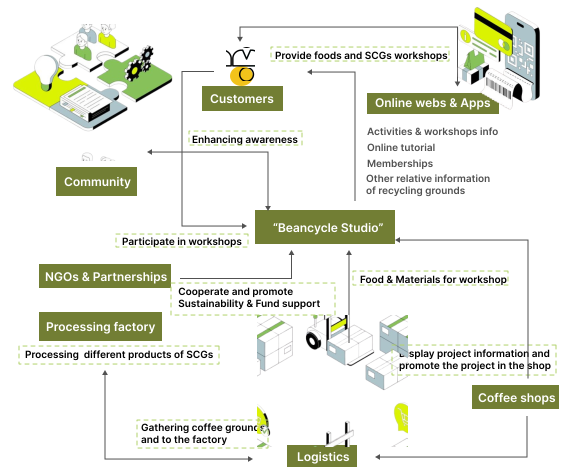
Beancycle Studio combines local collection, practical learning and digital participation. Coffee shops make spent grounds available; logistics and processing partners move material into appropriate reuse pathways; workshops and community organisations help people experience its value; and the digital platform connects these touchpoints.
Design — 09 Service Model
A Viable Service Model
The partners, activities and exchanges required to move from an idea to an operating service.
Product
Market
Key Partnerships
- Local coffee shops
- Community organisations and NGOs
- Local farms
- Local government
Key Activities
- Coffee-ground collection and treatment
- Product production and R&D
- Publicity and promotion
- Partner relationship management
Key Resources
- Coffee-ground supply chain
- Production facilities
- Human resources
- Community relations
Value Proposition
- Recover value from a common waste stream
- Make sustainable action practical and visible
- Create new learning and community experiences
- Connect participation with circular infrastructure
Customer Relationships
- Passers-by participants
- Membership participants
Channels
- Coffee shops and collection points
- Digital platform and learning content
- Workshops, events and partnerships
Customer Segment
- Environmentally conscious consumers
- Coffee enthusiasts
- Agriculture and gardening enthusiasts
- Community residents
- Coffee chain brands or independent coffee shops with an interest in coffee-ground recycling
Cost Structure
- Coffee-ground handling and transportation
- Production
- Publicity and marketing
- Employee and operating costs
Revenue Stream
- Product sales
- Event fees
- Recycling incentive system
Deliver — 10 Brand System
A Brand Built Around Regeneration
Symbol, construction and application make circular renewal visible.
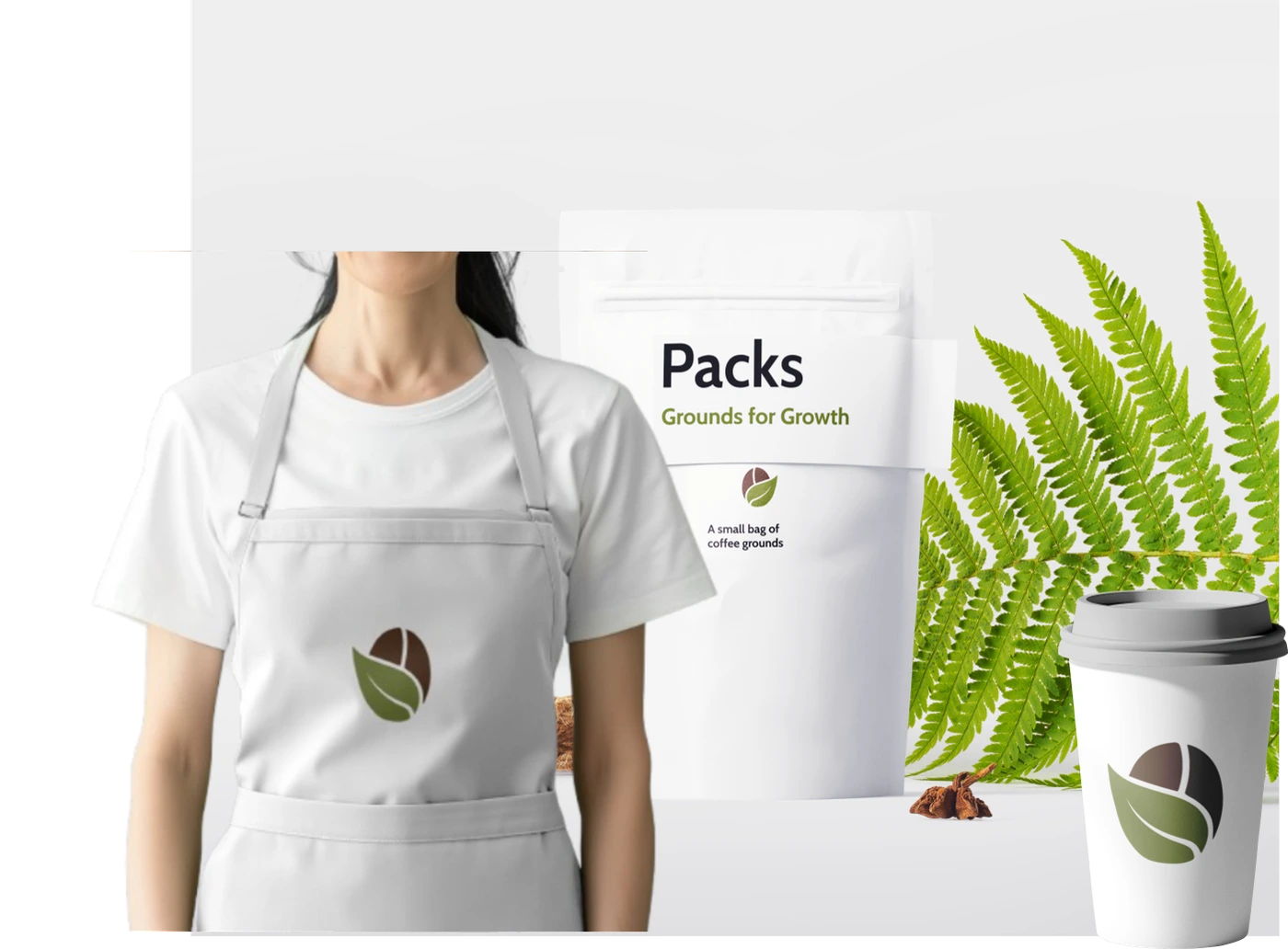
Logo

Idea

The identity combines the visual language of a coffee bean and a green leaf. It represents spent coffee grounds being given renewed value through a circular system.
Deliver — 11 Information Architecture
Translating the Service into a Digital Experience
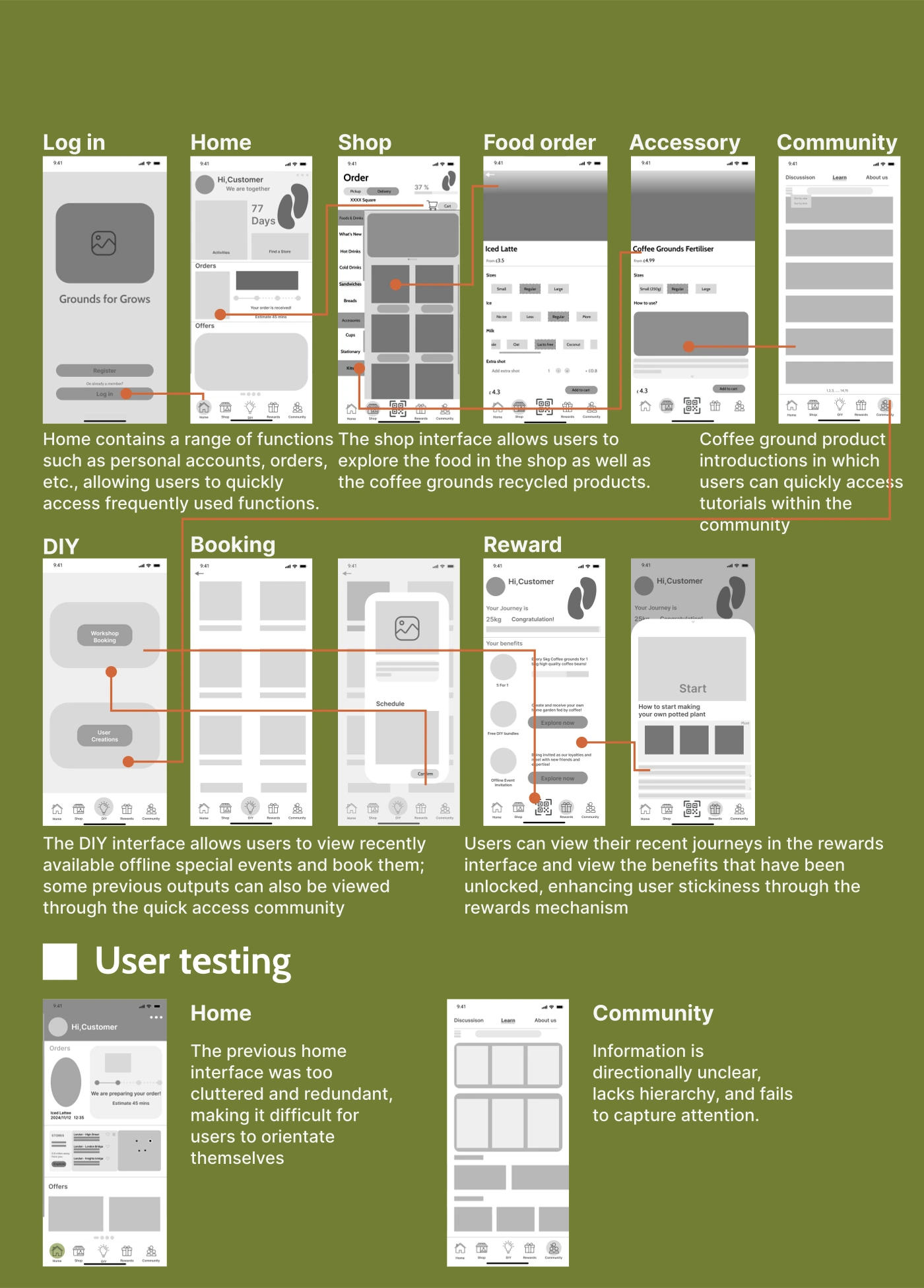
The platform connects physical participation with learning, progress and community.
The digital platform is not the whole service. It is the connective layer that helps people find physical opportunities, understand the circular process and continue participating after their first interaction.
Customer
Home
Highlights
Activity progress
Quick access
Account overview
Shop
Food and drink
Reuse kits
DIY Zone
Workshop booking
User creations
Practical guides
Membership
Reward points
Exclusive activities
Community
Stories and discussions
SCG learning
Partners and contact information
Deliver — 12 Interface Direction
Interface Direction
One visual system brings discovery, learning, shopping and participation together.
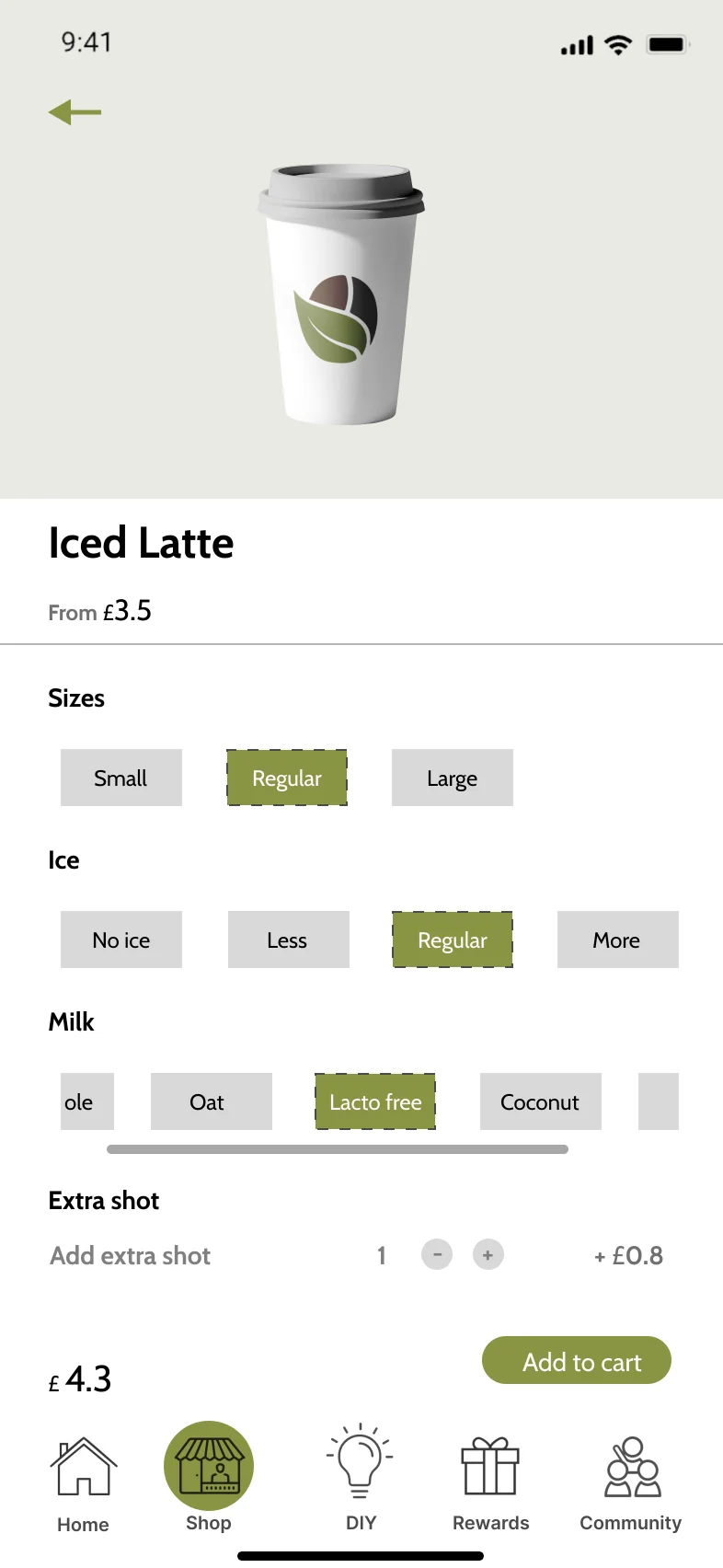
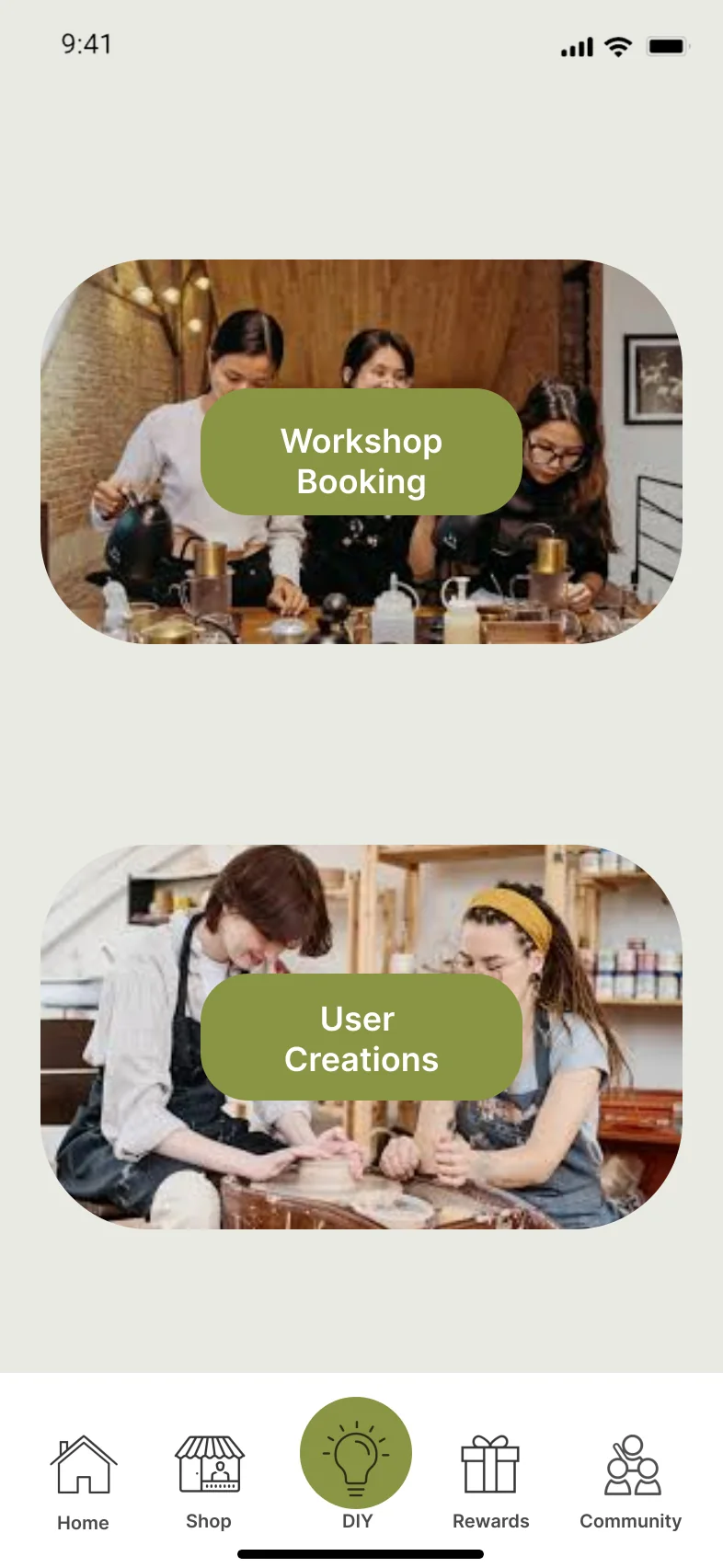
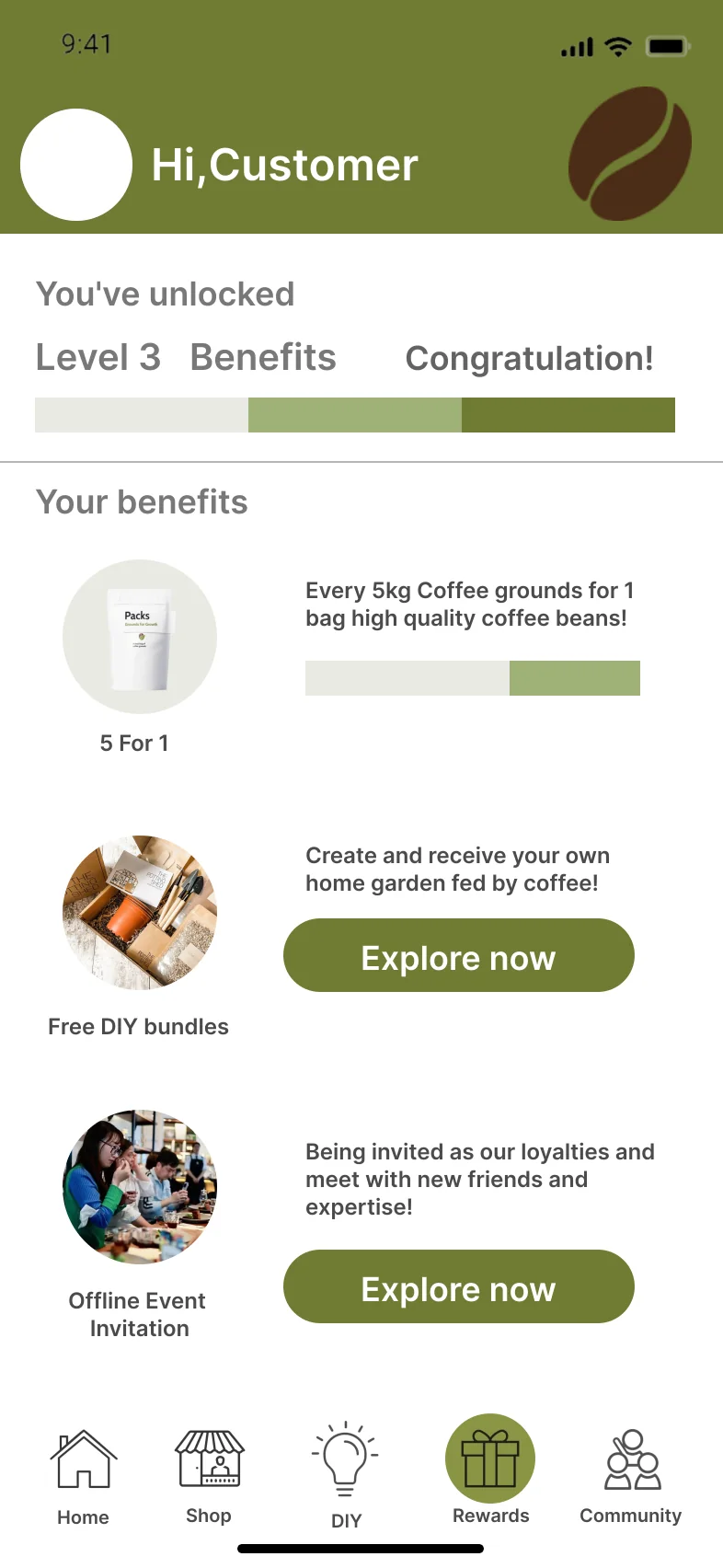
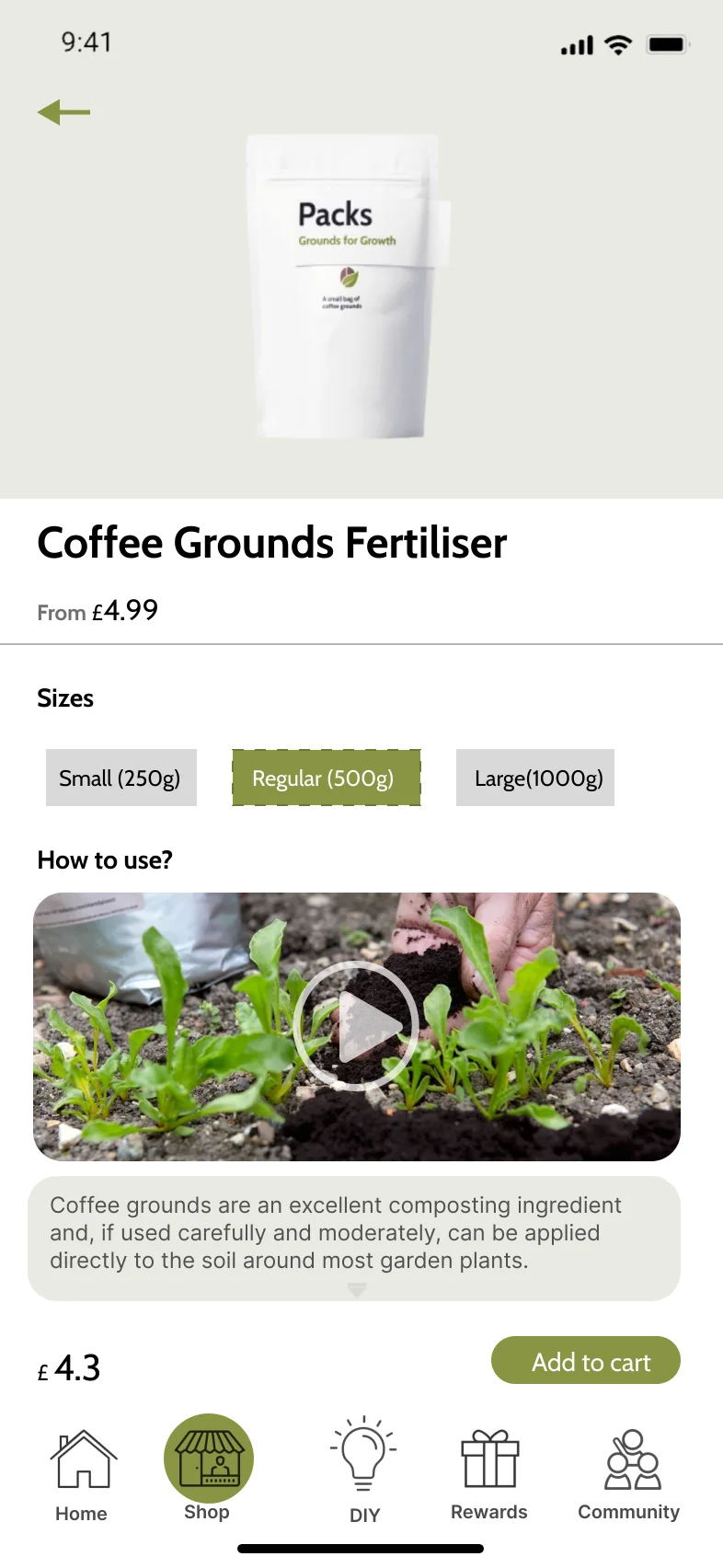
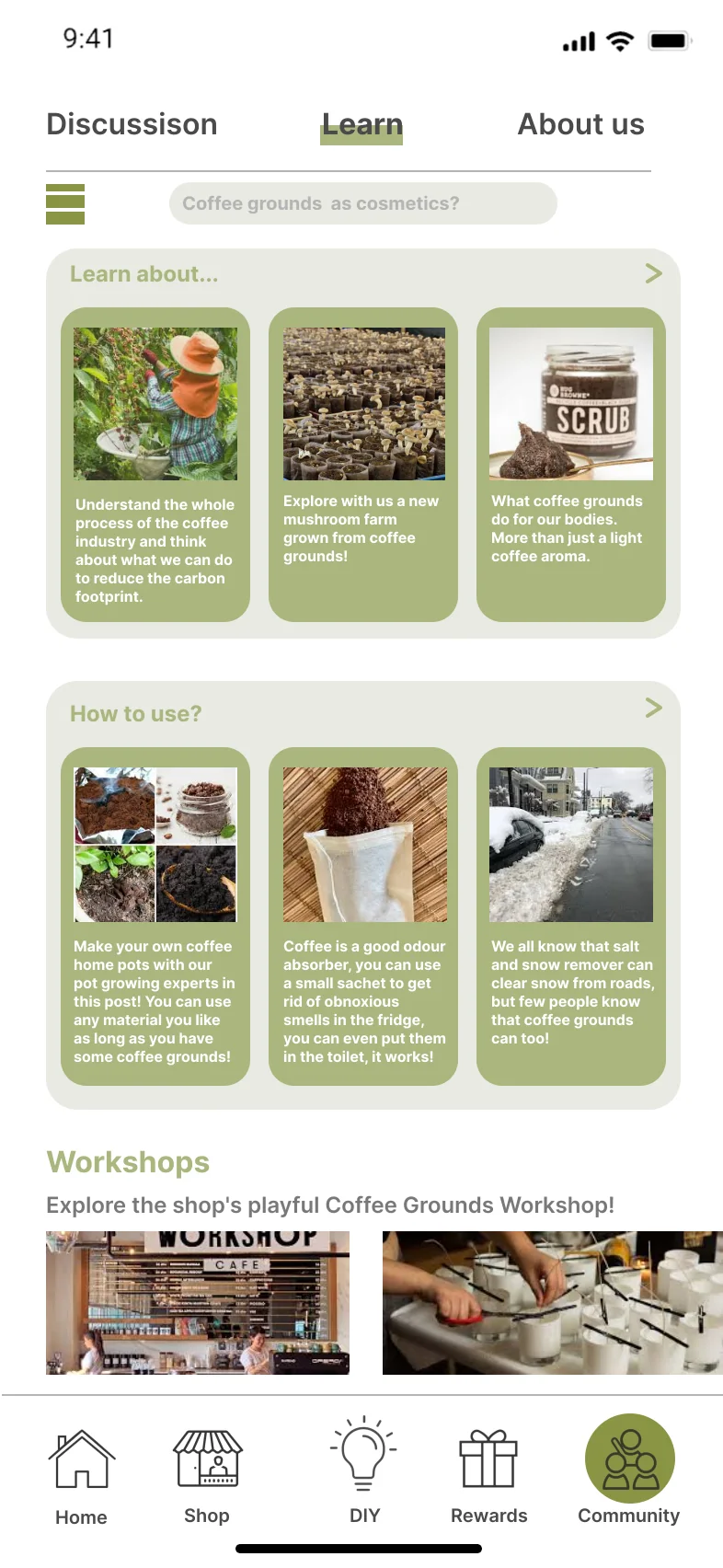
The interface brings together workshop discovery, maps, learning content, community stories, shopping and membership. A consistent green visual system connects the digital product to the project's circular identity.
Deliver — 13 Prototype
Prototype
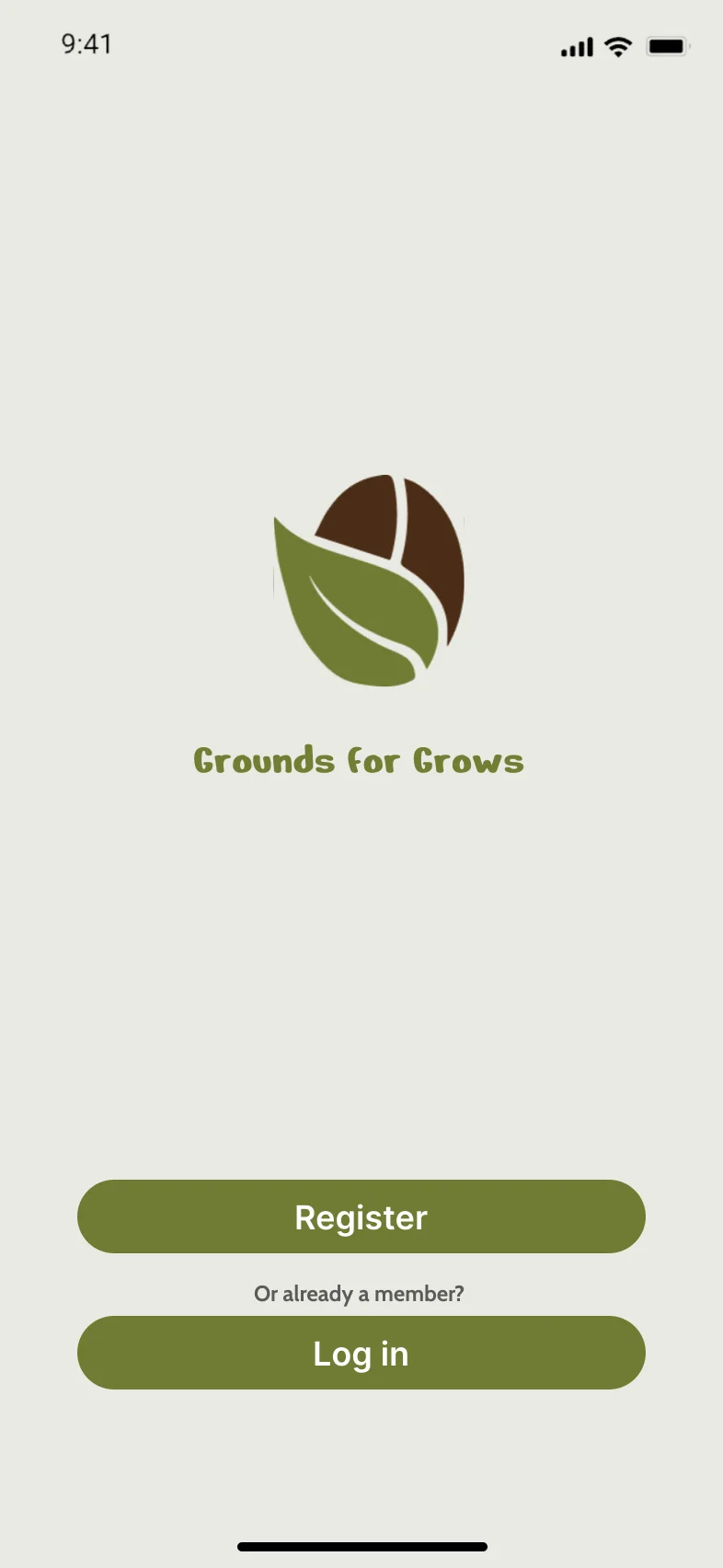
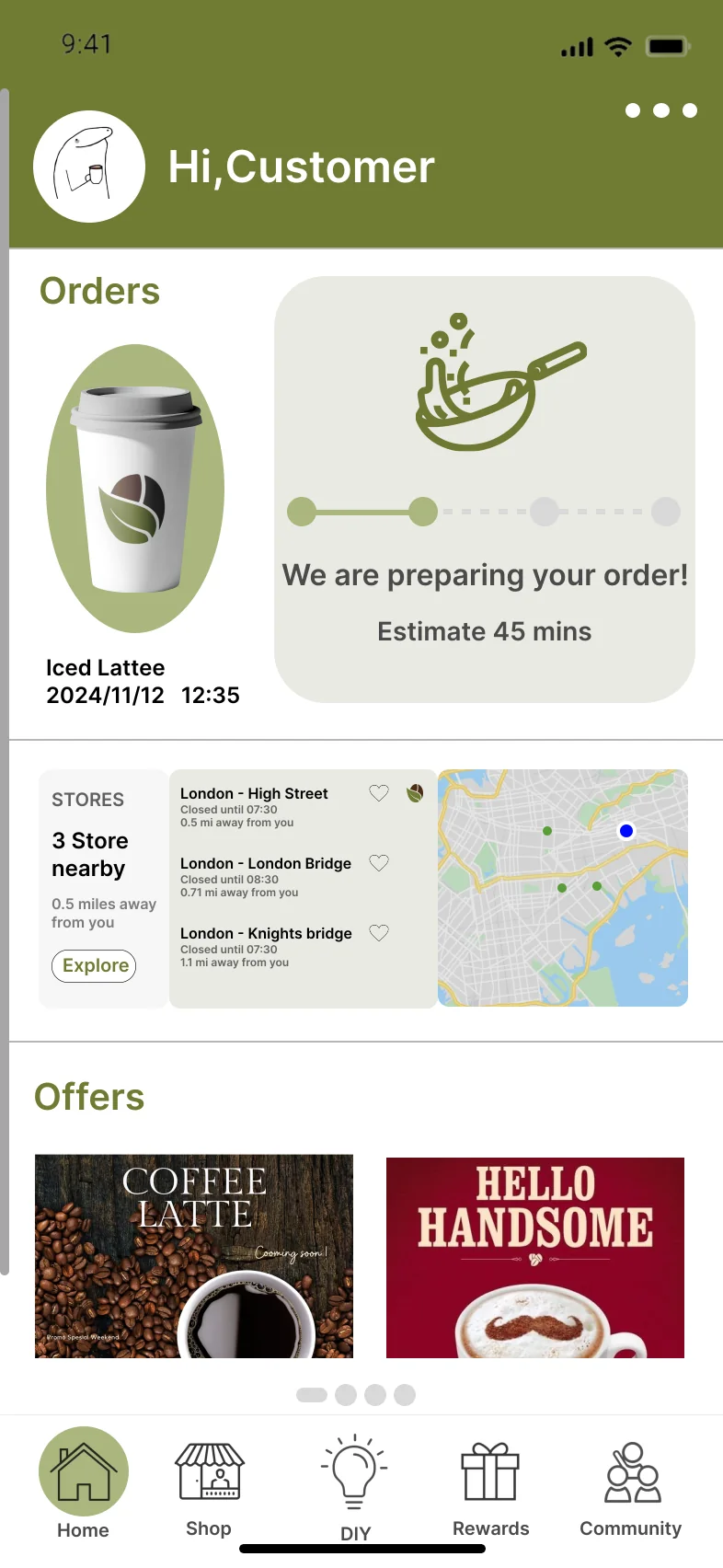
Seven connected screens demonstrate how participation can continue beyond the coffee shop.
Resolution — Resolution
Making a Waste Stream Visible, Social and Actionable
Beancycle Studio reframes coffee-ground reuse as more than an individual recycling decision. It proposes a connected service in which businesses, communities and consumers each have a clear role—and where a familiar daily habit becomes an entry point into circular participation.
Connected Service
Beancycle Studio connects consumers, coffee shops, logistics partners, processors and community organisations in one service system. Each participant has a clear role in making spent coffee grounds visible, available and useful.
Visible Participation
The service makes reuse easier to encounter through collection points, clear information, practical workshops and community activity. The digital platform supports these physical opportunities and helps participation continue after the first interaction.
Future Validation
The concept establishes a foundation for future validation with coffee shops, logistics partners and users. Further testing would need to measure participation, collection volume, operational feasibility and whether digital engagement leads to sustained reuse behaviour.
Next Pilot
The next step is a small pilot with a coffee shop, a logistics or processing partner and a group of users. It should test how clearly people understand the service, how much material can be recovered, what operational effort is required and whether participation continues over time.